dieta keto pdf
Understanding the Ketogenic Diet (Keto)
Navigating the keto landscape requires diligent planning‚ as eliminating nearly all carbohydrates demands awareness of hidden sources within seemingly innocuous food items.
What is a Ketogenic Diet?
The ketogenic diet‚ often referred to as “keto‚” is a very low-carbohydrate‚ high-fat dietary approach. It fundamentally shifts the body’s primary fuel source from glucose (derived from carbohydrates) to ketones‚ which are produced from fat. This metabolic state‚ known as ketosis‚ is the cornerstone of the keto diet’s potential benefits.
Typically‚ a keto diet restricts carbohydrate intake to around 20-50 grams per day‚ while significantly increasing fat consumption – often comprising 70-80% of daily calories. Protein intake is moderate. This drastic reduction in carbohydrates forces the body to tap into its fat reserves for energy‚ leading to weight loss and other physiological changes.
Understanding that carbs are surprisingly prevalent in many foods is crucial for success; even items you wouldn’t suspect can derail ketosis.
The Science Behind Ketosis
Ketosis is a natural metabolic process that occurs when the body doesn’t have enough glucose to use for energy. Normally‚ glucose – derived from carbohydrate intake – is the body’s preferred fuel. However‚ when carbohydrate intake is drastically reduced‚ as in a ketogenic diet‚ the liver begins to break down fat into fatty acids and ketone bodies.
These ketone bodies – acetoacetate‚ beta-hydroxybutyrate‚ and acetone – then serve as an alternative fuel source for the brain‚ muscles‚ and other tissues. The brain‚ which typically relies heavily on glucose‚ can adapt to utilize ketones for approximately 70-80% of its energy needs.
Successfully achieving and maintaining ketosis requires consistent adherence to a very low-carbohydrate intake‚ as even small amounts of carbs can disrupt the process.

Keto Diet PDF Resources: A Comprehensive Guide
Numerous downloadable PDFs offer structured keto plans‚ recipes‚ and educational materials‚ aiding beginners in understanding and implementing this dietary approach effectively.
Where to Find Reliable Keto Diet PDFs
Locating trustworthy ketogenic diet PDFs requires careful consideration of the source. Many health and wellness websites‚ registered dietitian blogs‚ and dedicated keto communities offer free downloadable resources.
Reputable organizations like the Diet Doctor and Perfect Keto frequently provide comprehensive guides‚ meal plans‚ and recipe collections in PDF format.
Additionally‚ platforms like Etsy and Gumroad host a variety of paid keto PDFs created by nutrition professionals and experienced keto enthusiasts.
However‚ exercise caution when downloading PDFs from unfamiliar websites‚ as the information may be inaccurate or misleading. Always prioritize resources created by qualified healthcare professionals or backed by scientific evidence to ensure safety and effectiveness.
Look for PDFs that cite sources and offer a balanced approach to the ketogenic diet‚ emphasizing whole foods and sustainable lifestyle changes.
Evaluating the Quality of Keto PDFs
Assessing the credibility of a keto diet PDF is crucial before implementing its advice. Begin by examining the author’s credentials – are they a registered dietitian‚ nutritionist‚ or medical professional?
Look for PDFs grounded in scientific research‚ citing studies and providing evidence-based recommendations. Beware of overly restrictive plans promising rapid weight loss‚ as these can be unsustainable and potentially harmful.
A high-quality PDF will offer a balanced approach‚ emphasizing whole‚ unprocessed foods and adequate hydration.
It should also address potential side effects like the “keto flu” and provide guidance on mitigating them.
Finally‚ consider whether the PDF promotes a sustainable lifestyle change rather than a quick fix‚ fostering long-term health and well-being.

Keto Diet Basics: Food Lists & Macronutrients
Successfully adopting keto hinges on understanding permitted foods and macronutrient ratios‚ often detailed within comprehensive PDF guides for clarity.
Foods to Eat on a Keto Diet
Embarking on a ketogenic journey necessitates a focused selection of foods that align with the diet’s core principles: high fat‚ moderate protein‚ and very low carbohydrates. Many readily available keto diet PDFs meticulously outline these permissible options‚ providing a valuable resource for beginners and seasoned practitioners alike.
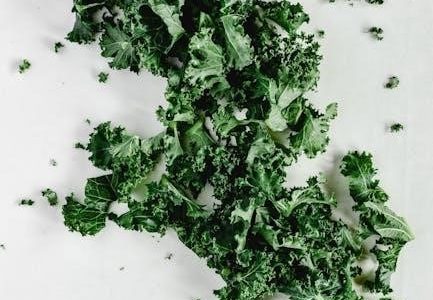
Central to the keto approach are healthy fats‚ including avocados‚ olive oil‚ coconut oil‚ nuts‚ and seeds – these fuel the body in the absence of glucose. Proteins‚ such as meat‚ fish‚ poultry‚ and eggs‚ are essential for maintaining muscle mass‚ but intake should be moderate to avoid gluconeogenesis. Finally‚ non-starchy vegetables like spinach‚ kale‚ broccoli‚ and cauliflower provide vital nutrients and fiber without significantly impacting carbohydrate levels.
PDF resources often categorize these foods‚ offering convenient shopping lists and meal planning ideas‚ streamlining the adaptation process and ensuring dietary adherence.
Healthy Fats
Healthy fats are the cornerstone of a ketogenic diet‚ providing over 70-80% of daily caloric intake and serving as the primary fuel source when carbohydrates are restricted. Numerous keto diet PDFs emphasize the importance of prioritizing these fats for successful ketosis.
Excellent choices include avocados‚ rich in monounsaturated fats and fiber; olive oil‚ a staple for cooking and dressings; and coconut oil‚ containing medium-chain triglycerides (MCTs) easily converted into ketones. Nuts and seeds‚ like almonds‚ walnuts‚ chia seeds‚ and flaxseeds‚ offer a convenient source of healthy fats and fiber.
PDF guides often detail the fat content of various foods‚ helping individuals accurately track macronutrient ratios and optimize their ketogenic approach for sustained energy and well-being.
Proteins
Protein intake on a ketogenic diet is moderate‚ typically around 20-25% of daily calories‚ crucial for preserving muscle mass and supporting overall bodily functions. Many keto diet PDFs highlight the need to balance protein consumption to avoid gluconeogenesis – the body’s conversion of protein into glucose‚ potentially hindering ketosis.
Excellent protein sources include meat (beef‚ pork‚ lamb)‚ poultry (chicken‚ turkey)‚ and fish (salmon‚ tuna‚ mackerel)‚ all providing essential amino acids. Eggs are also a versatile and nutrient-dense protein option. Keto PDFs often provide detailed protein content per serving for accurate tracking.
Choosing fatty cuts of meat can further contribute to fat intake‚ aligning with the diet’s macronutrient goals. Careful monitoring‚ guided by PDF resources‚ ensures optimal protein levels for successful keto adaptation.
Non-Starchy Vegetables
Non-starchy vegetables are a cornerstone of a healthy ketogenic diet‚ providing essential vitamins‚ minerals‚ and fiber with minimal carbohydrate impact. Keto diet PDFs emphasize their importance for nutrient density and digestive health‚ recommending they comprise a significant portion of each meal.
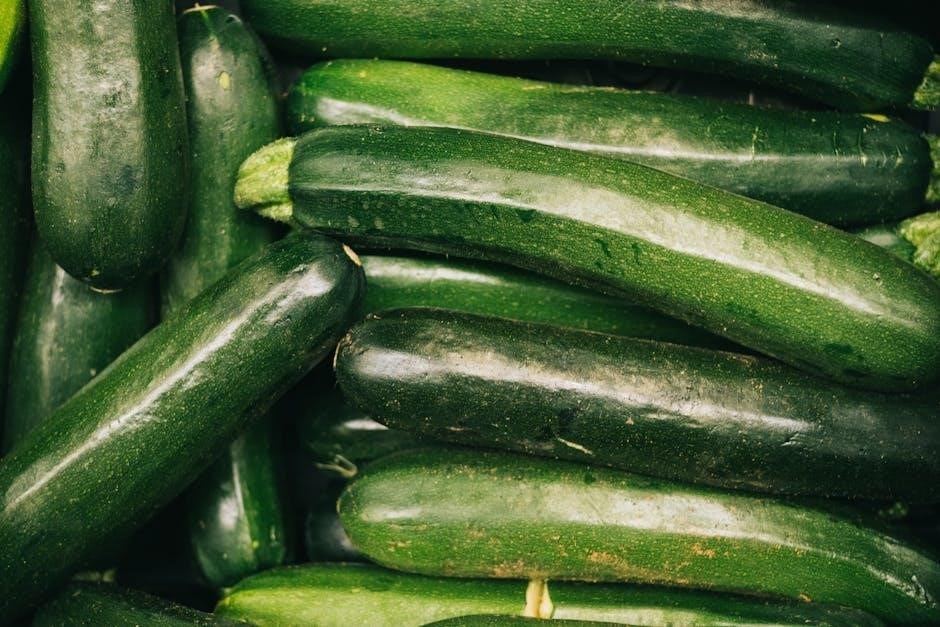
Excellent choices include leafy greens (spinach‚ kale‚ lettuce)‚ broccoli‚ cauliflower‚ asparagus‚ zucchini‚ and bell peppers. These vegetables offer a wide range of micronutrients while remaining low in net carbohydrates. Many PDFs detail the net carb count per serving‚ aiding in precise tracking.
Incorporating a variety of these vegetables ensures adequate fiber intake‚ mitigating potential digestive issues often associated with low-carb diets. Keto PDFs frequently include recipes showcasing creative ways to enjoy these vital components.
Foods to Avoid on a Keto Diet
Successfully implementing a ketogenic diet hinges on strict avoidance of foods high in carbohydrates‚ as detailed in comprehensive keto diet PDFs. These resources consistently highlight the necessity of eliminating items that quickly disrupt ketosis‚ hindering weight loss and other benefits.
The primary culprits include sugars (soda‚ juice‚ candy)‚ grains (wheat‚ rice‚ corn)‚ and starches (potatoes‚ pasta). Keto PDFs often provide extensive lists of hidden carbohydrate sources‚ emphasizing the importance of label reading. Many processed foods contain added sugars or starches‚ making them unsuitable.
Furthermore‚ most fruits are restricted due to their natural sugar content‚ though small portions of berries are sometimes permitted. Detailed PDFs offer guidance on portion sizes and acceptable fruit choices.
Sugars & Sweeteners
Keto diet PDFs universally emphasize the absolute necessity of eliminating added sugars and most sweeteners to achieve and maintain ketosis. Traditional sugars like sucrose‚ fructose‚ and glucose are strictly prohibited‚ as they rapidly elevate blood sugar and insulin levels‚ halting fat burning.
Many processed foods and beverages contain hidden sugars‚ requiring diligent label scrutiny – keto PDFs often include guides on identifying these. Artificial sweeteners are a complex topic; some PDFs recommend avoiding all‚ while others permit specific options like stevia or erythritol in moderation.
Honey‚ maple syrup‚ and agave nectar are also off-limits‚ despite perceived health benefits‚ due to their high carbohydrate content. Keto resources provide alternative sweetener suggestions and recipes.
Grains & Starches
Keto diet PDFs consistently highlight the complete restriction of grains and starches‚ as these are primary sources of carbohydrates that impede ketosis. This encompasses all wheat-based products – bread‚ pasta‚ cereals – alongside rice‚ corn‚ and oats.
Starchy vegetables like potatoes‚ sweet potatoes‚ and yams are also excluded. Many keto PDFs provide detailed lists of grain-free alternatives for common staples‚ such as cauliflower rice or almond flour-based bread. Understanding hidden starches in processed foods is crucial; keto resources often detail common culprits.
Even seemingly innocuous items like certain sauces and dressings may contain starch-based thickeners. Careful label reading is paramount‚ and PDFs often offer guidance on identifying these hidden carbohydrates.
Most Fruits
Keto diet PDFs universally advise limiting fruit intake due to their natural sugar content‚ primarily fructose‚ which can easily disrupt ketosis. While not entirely forbidden‚ most fruits are too high in carbohydrates for unrestricted consumption;
Berries – strawberries‚ blueberries‚ raspberries – are often permitted in small quantities due to their relatively lower carb count compared to other fruits. PDFs frequently include serving size guidelines for berries to maintain ketosis. Fruits like bananas‚ apples‚ oranges‚ and grapes are generally avoided.
Keto resources emphasize that even natural sugars impact blood glucose levels and hinder fat burning. PDFs often provide lists of “keto-friendly” fruits and suggest incorporating them strategically‚ if at all‚ alongside fat and protein.

Potential Benefits of the Keto Diet
Keto diet PDFs highlight potential advantages like weight loss‚ improved blood sugar regulation‚ and enhanced cognitive function through metabolic shifts.

Weight Loss
Keto diet PDFs frequently emphasize weight loss as a primary benefit‚ stemming from the body’s shift to utilizing fat as its main energy source. When carbohydrate intake is drastically reduced‚ the body enters a metabolic state called ketosis‚ prompting the liver to convert fat into ketones for fuel. This process can lead to significant fat burning‚ particularly when combined with a calorie deficit.
Many PDFs detail how this metabolic change suppresses appetite‚ reducing cravings and overall calorie consumption. Furthermore‚ the ketogenic diet’s impact on hormone levels‚ specifically insulin‚ can promote fat mobilization and hinder fat storage. Detailed guides often showcase before-and-after photos and success stories‚ illustrating the potential for substantial weight reduction. However‚ PDFs also caution that individual results may vary and consistent adherence is crucial for achieving and maintaining weight loss.
Improved Blood Sugar Control
Keto diet PDFs consistently highlight the diet’s potential for improving blood sugar control‚ particularly beneficial for individuals with type 2 diabetes or insulin resistance. By severely limiting carbohydrate intake‚ the ketogenic diet minimizes glucose spikes and reduces the need for insulin. This can lead to lower HbA1c levels‚ a key indicator of long-term blood sugar management.
Many downloadable guides explain how ketones themselves can improve insulin sensitivity‚ allowing cells to utilize glucose more effectively; PDFs often include charts illustrating the impact of keto on blood glucose levels compared to standard diets. They also emphasize the importance of monitoring blood sugar regularly‚ especially when starting the diet‚ and adjusting medication accordingly under medical supervision. However‚ PDFs also stress that keto is not a cure and requires ongoing management.
Enhanced Mental Clarity
Numerous keto diet PDFs detail anecdotal reports and emerging research suggesting improved cognitive function and enhanced mental clarity as benefits of the diet. The brain primarily utilizes glucose for fuel‚ but can efficiently adapt to using ketones‚ produced during ketosis‚ as an alternative energy source.
These guides often explain that a stable energy supply from ketones can reduce brain “fog‚” improve focus‚ and enhance overall cognitive performance. PDFs frequently highlight the potential benefits for individuals experiencing neurological conditions. They also discuss the role of reduced inflammation‚ a common feature of the keto diet‚ in supporting brain health. However‚ PDFs caution that individual experiences vary‚ and mental clarity improvements aren’t guaranteed‚ requiring consistent adherence to the diet.
Potential Side Effects & Risks
Keto diet PDFs frequently warn about initial adjustments‚ like the “keto flu‚” alongside potential nutrient deficiencies and digestive discomforts requiring careful mitigation.
Keto Flu
Many Keto diet PDFs detail the “keto flu‚” a collection of temporary symptoms experienced when initially adapting to carbohydrate restriction. These PDFs emphasize that it’s not influenza‚ but rather the body’s reaction to electrolyte imbalances and glycogen depletion. Common symptoms‚ as outlined in these resources‚ include headache‚ fatigue‚ nausea‚ muscle cramps‚ and irritability.
PDF guides consistently recommend proactive hydration with plenty of water and supplementing with electrolytes – sodium‚ potassium‚ and magnesium – to alleviate these effects. They often provide specific guidance on electrolyte intake‚ suggesting bone broth‚ salt additions to meals‚ or dedicated electrolyte supplements.
Furthermore‚ these PDFs stress that the keto flu is usually short-lived‚ typically resolving within a few days to a week as the body adjusts to utilizing fat for fuel. Proper preparation and electrolyte management are key to minimizing discomfort during this transition phase‚ according to the available PDF resources.
Nutrient Deficiencies
Keto diet PDFs frequently address the potential for nutrient deficiencies due to the restrictive nature of the diet. These resources highlight that eliminating entire food groups – like many fruits and grains – can lead to inadequate intake of essential vitamins and minerals. PDFs commonly emphasize the importance of prioritizing nutrient-dense‚ keto-friendly foods‚ such as leafy green vegetables and certain berries‚ to mitigate this risk.
Many guides recommend supplementing with vitamins and minerals‚ particularly electrolytes (sodium‚ potassium‚ magnesium)‚ vitamin D‚ and potentially others based on individual needs. They often include charts detailing recommended daily intakes and food sources.
PDFs also caution against prolonged adherence to a poorly planned keto diet‚ stressing the need for regular monitoring and potential adjustments to ensure optimal nutritional status. Careful planning and supplementation‚ as detailed in these resources‚ are crucial for long-term health on a ketogenic diet.
Digestive Issues
Keto diet PDFs often dedicate sections to addressing common digestive issues experienced when transitioning to‚ or maintaining‚ a ketogenic lifestyle. A primary concern is the initial reduction in fiber intake‚ stemming from the elimination of grains and many fruits‚ which can lead to constipation. PDFs frequently recommend increasing non-starchy vegetable consumption and considering fiber supplements to alleviate this.
Furthermore‚ the increased fat intake can sometimes cause diarrhea‚ particularly during the initial adaptation phase. These guides suggest starting with moderate fat levels and gradually increasing them as the body adjusts.
PDFs also highlight the importance of adequate hydration and electrolyte balance to support healthy digestion. They may include tips for managing bloating and other gastrointestinal discomforts‚ emphasizing the need to listen to your body and adjust your diet accordingly.

Creating a Keto Meal Plan
Keto diet PDFs frequently offer structured meal plans and guidance‚ simplifying the process of adhering to macronutrient targets and dietary restrictions effectively.
Sample Keto Meal Plan (One Day)
Many keto diet PDFs showcase a typical daily meal plan to illustrate practical application of the dietary principles. A common breakfast might include scrambled eggs with spinach and cheese‚ providing healthy fats and protein to kickstart ketosis. Lunch could feature a large salad with grilled chicken or salmon‚ avocado‚ and a full-fat vinaigrette dressing – emphasizing non-starchy vegetables and quality protein sources.
Dinner often consists of a protein like steak or pork chops paired with roasted broccoli or asparagus‚ ensuring continued fat intake and minimal carbohydrate consumption. Snacks‚ if needed‚ could be a handful of macadamia nuts or a small serving of full-fat Greek yogurt. These PDFs often detail macronutrient breakdowns for each meal‚ helping individuals track their progress and maintain ketosis. Remember to stay hydrated throughout the day with water or unsweetened tea!
Using Keto Meal Planning Apps & PDFs
Keto diet PDFs frequently recommend utilizing meal planning apps to streamline the process of adhering to the diet’s strict requirements. These resources often suggest apps that calculate macronutrient ratios‚ generate shopping lists based on chosen recipes‚ and track daily intake. PDFs themselves can serve as pre-made meal plans‚ offering a structured approach for beginners.
Many apps allow customization based on individual needs and preferences‚ while some PDFs provide variations for different caloric goals. Combining both – utilizing a PDF for initial guidance and an app for ongoing management – can be highly effective. Look for apps that integrate with food databases for accurate tracking and offer recipe suggestions aligned with keto principles‚ simplifying long-term adherence.

Long-Term Keto Diet Considerations

Sustaining ketosis long-term necessitates consistent monitoring and strategic adjustments‚ potentially incorporating cyclical or targeted approaches for optimized results and adaptability.
Maintaining Ketosis Long-Term
Achieving and sustaining long-term ketosis isn’t merely about initial restriction; it’s a continuous process of adaptation and mindful adherence to dietary principles. Consistent carbohydrate limitation remains paramount‚ typically below 20-50 grams net carbs daily‚ but individual tolerances vary. Regular ketone monitoring – through blood‚ urine‚ or breath analysis – provides valuable feedback on metabolic state and helps identify potential deviations.
Beyond macronutrient tracking‚ prioritizing whole‚ unprocessed foods is crucial for nutrient density and satiety. Electrolyte balance‚ often disrupted during keto-adaptation‚ requires conscious replenishment through sodium‚ potassium‚ and magnesium intake. Lifestyle factors like stress management‚ adequate sleep‚ and regular physical activity also significantly influence hormonal balance and metabolic efficiency‚ supporting sustained ketosis.
Furthermore‚ recognizing that occasional deviations are inevitable‚ developing strategies for “carb-ups” or re-introduction periods can help mitigate metabolic slowdown and maintain psychological flexibility. Ultimately‚ long-term success hinges on establishing a sustainable‚ personalized approach to the ketogenic lifestyle.
Cycling Keto & Targeted Keto
For those seeking flexibility beyond strict continuous keto‚ cycling and targeted ketogenic approaches offer intriguing alternatives. Keto cycling involves strategically incorporating higher-carb days into a predominantly keto framework‚ potentially enhancing hormonal balance and glycogen replenishment for athletes or individuals experiencing metabolic stalls. Targeted keto‚ conversely‚ focuses carb intake around intense physical activity‚ aiming to fuel performance without significantly disrupting ketosis.
The rationale behind these variations lies in optimizing metabolic adaptation and addressing individual needs. Cycling might involve 1-2 higher-carb days per week‚ while targeted keto typically involves 20-50 grams of carbs consumed 30-60 minutes pre- or post-workout.
However‚ careful planning and monitoring are essential to prevent falling out of ketosis and negating potential benefits. These approaches require a deeper understanding of individual carbohydrate tolerance and metabolic response.