
temas ap spanish language and culture pdf
AP Spanish Language and Culture: A Comprehensive Study Plan
Navigating the AP Spanish Language and Culture exam requires focused study; resources like syllabi‚ thematic guides‚ and communicative Spanish texts are invaluable for success.
The AP Spanish Language and Culture course is designed to provide students with a comprehensive understanding of the Spanish language and the diverse cultures of the Spanish-speaking world. This course emphasizes both linguistic proficiency and cultural awareness‚ preparing students for college-level Spanish studies and fostering intercultural communication skills.
Examining available resources‚ such as the 2014-2015 syllabus and thematic guides (Temas 2020 Syllabus)‚ reveals a focus on contemporary issues and cultural contexts. These materials‚ alongside texts like Temas españoles‚ provide a foundation for exploring various aspects of Spanish-speaking societies. Furthermore‚ research in language acquisition‚ like that found in The Modern Language Journal‚ informs effective pedagogical approaches. The course aims to develop skills in listening‚ speaking‚ reading‚ and writing‚ all while deepening cultural understanding.
II. Core Themes & Concepts (Based on Exam Focus)
The AP Spanish Language and Culture exam centers around six core themes: Global Challenges‚ Contemporary Life‚ Personal and Public Identities‚ Science and Technology‚ Leisure and Travel‚ and Beauty and the Arts. These themes provide a framework for exploring relevant cultural and linguistic concepts.
Examining resources like the Temas 2020 Syllabus and various Spanish curricula highlights the importance of these areas. Units often focus on contemporary life‚ as evidenced by 8-week course plans‚ and delve into cultural nuances. Materials from sources like SILFI and academic journals emphasize communicative competence within these thematic contexts. Understanding these core themes‚ and their associated vocabulary and grammatical structures‚ is crucial for success on the AP exam‚ as they form the basis of all assessment components.
III. Global Challenges (Un Retos Globales)
This theme encompasses critical issues facing the Spanish-speaking world and beyond‚ demanding nuanced discussion and informed perspectives. Key areas include Environmental Issues (Cuestiones Ambientales) and Public Health (Salud Pública)‚ frequently appearing in exam prompts.
Resources like the Temas 2020 Syllabus and related curricula emphasize the need to analyze these challenges through a cultural lens. Exam preparation should involve exploring diverse viewpoints on topics such as climate change‚ access to healthcare‚ and sustainable development. Understanding the socio-political contexts surrounding these issues‚ as presented in authentic materials‚ is vital for achieving a high score on the AP Spanish Language and Culture exam.
A. Environmental Issues (Cuestiones Ambientales)
Examining Cuestiones Ambientales requires students to articulate concerns regarding ecological sustainability within Spanish-speaking communities. This includes deforestation‚ pollution‚ and the impact of climate change on diverse ecosystems.
The Temas 2020 Syllabus and supplementary materials highlight the importance of discussing potential solutions and analyzing the cultural factors influencing environmental practices. Students should be prepared to debate policies‚ evaluate conservation efforts‚ and express opinions on responsible resource management. Proficiency in relevant vocabulary and the ability to utilize complex grammatical structures – like the subjunctive when expressing doubt or desire for change – are crucial for success on the AP exam.
B. Public Health (Salud Pública)
Salud Pública on the AP Spanish exam necessitates discussing healthcare access‚ prevalent diseases‚ and public health initiatives in Spanish-speaking countries. Students must demonstrate an understanding of healthcare systems‚ including challenges related to affordability and availability of care.
Resources like the Temas 2020 Syllabus emphasize the importance of analyzing health disparities and evaluating the effectiveness of public health campaigns. Expect prompts requiring you to compare healthcare approaches across different cultures and articulate opinions on preventative measures. Mastering vocabulary related to medicine‚ illness‚ and well-being‚ alongside accurate verb tense usage‚ is vital for effectively communicating complex ideas and achieving a high score on the AP exam.
IV. Contemporary Life (La Vida Contemporánea)
La Vida Contemporánea encompasses diverse aspects of modern Spanish-speaking societies‚ demanding students explore current issues and daily routines. The Temas 2020 Syllabus highlights the significance of discussing education‚ work‚ and leisure activities.
Expect prompts requiring descriptions of school systems‚ career paths‚ and entertainment preferences. Analyzing the impact of technology and globalization on daily life is crucial. Students should be prepared to articulate opinions on social trends and cultural changes. Utilizing precise vocabulary related to modern life‚ alongside accurate grammatical structures‚ will demonstrate proficiency. Resources like unit plans focusing on contemporary life‚ as found in available PDFs‚ provide valuable preparation for the AP exam.

A. Education (La Educación)
La Educación is a cornerstone of the AP Spanish Language and Culture exam‚ requiring students to discuss educational systems and personal learning experiences. The Temas 2020 Syllabus emphasizes the importance of analyzing educational structures in Spanish-speaking countries.
Prepare to compare and contrast educational philosophies‚ discuss challenges faced by students‚ and articulate opinions on educational reforms. Expect prompts about school life‚ extracurricular activities‚ and future academic/career goals. Utilizing specific vocabulary related to education – such as bachillerato‚ universidad‚ and profesor – is essential. Reviewing unit plans focused on contemporary life‚ available in PDF format‚ will provide targeted practice for this crucial exam component.
B. Customs and Traditions (Costumbres y Tradiciones)
Costumbres y Tradiciones form a vibrant part of the AP Spanish Language and Culture curriculum. The Temas españoles resource (1982) highlights the rich cultural tapestry of Spain‚ providing a foundation for understanding diverse traditions.
Expect exam prompts requiring descriptions of celebrations‚ rituals‚ and everyday customs in various Spanish-speaking regions. Be prepared to discuss the significance of these traditions and their evolution over time. Familiarize yourself with vocabulary related to festivals‚ cuisine‚ and social etiquette. Analyzing PDF documents detailing cultural studies‚ like those found in linguistic and literature collections‚ will enhance your ability to articulate nuanced perspectives on these topics.
V. Personal and Public Identities (Identidades Personales y Públicas)
Identidades Personales y Públicas are central to the AP Spanish exam‚ demanding exploration of self-perception and societal roles. Resources like AP Spanish syllabi and thematic guides (Temas 2020) emphasize this core concept.
Prepare to discuss family dynamics‚ relationships‚ and how these shape individual identity. Consider national identities and the complexities of belonging. Examining PDF documents focusing on language‚ culture‚ and learning (The Modern Language Journal‚ 2010) provides valuable insights. Understanding how language reflects and constructs identity is crucial. Be ready to analyze texts and scenarios that explore these themes‚ demonstrating cultural awareness and linguistic proficiency.
A. Family and Relationships (Familia y Relaciones)
Familia y Relaciones are foundational to Hispanic cultures and a key AP exam component. Examining resources like AP Spanish syllabi (Temas 2020) reveals the importance of discussing family structures‚ values‚ and traditions.
Prepare to articulate perspectives on intergenerational relationships‚ roles within the family‚ and evolving dynamics. PDF documents exploring language and culture (Language‚ Culture‚ Learning…) offer context. Consider how societal changes impact family life. Be ready to discuss both traditional and modern relationship models‚ demonstrating nuanced understanding. Practice expressing opinions and supporting them with cultural references‚ showcasing linguistic skill and cultural awareness.

B. National Identities (Identidades Nacionales)
Identidades Nacionales are central to the AP Spanish Language and Culture course‚ demanding exploration of diverse Spanish-speaking communities. Examining thematic resources (like those found in Temas españoles) reveals the complexities of national pride and belonging.
Prepare to discuss historical influences‚ cultural expressions‚ and regional variations that shape national identities. PDF materials focusing on language studies (COMMUNICATIVE SPANISHI) can provide linguistic context. Consider how globalization impacts these identities. Practice articulating perspectives on cultural heritage‚ traditions‚ and contemporary challenges. Demonstrate an understanding of how national narratives are constructed and contested‚ showcasing both linguistic proficiency and cultural insight.
VI. Science and Technology (Ciencia y Tecnología)
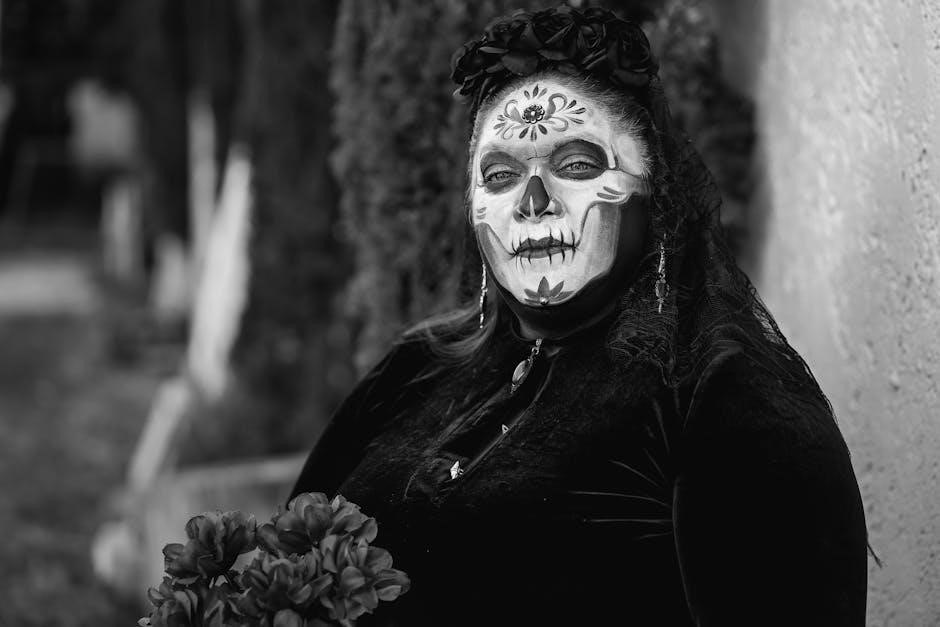
Ciencia y Tecnología represent a crucial contemporary theme within the AP Spanish curriculum. PDF resources‚ including syllabi and thematic guides‚ often highlight innovations and their societal impact in Spanish-speaking countries.
Prepare to discuss advancements‚ ethical considerations‚ and access to technology. Explore topics like scientific research‚ technological development‚ and their influence on daily life. Linguistic resources (found in texts like those from Perm State University publications) can aid in discussing complex concepts. Practice articulating arguments about the benefits and drawbacks of technological progress‚ demonstrating both linguistic precision and cultural awareness. Consider the role of science and technology in shaping modern identities.
VII. Leisure and Travel (Ocio y Viajes)
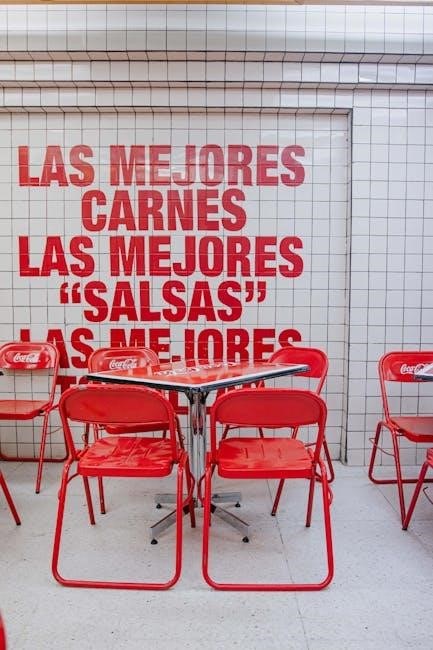
Ocio y Viajes‚ or Leisure and Travel‚ is a frequently addressed theme in the AP Spanish Language and Culture exam‚ often detailed in available PDF study materials. These resources emphasize cultural experiences and perspectives related to tourism and entertainment.
Prepare to discuss travel preferences‚ popular destinations within the Spanish-speaking world‚ and the impact of tourism on local communities. Explore entertainment options‚ including music‚ cinema‚ and sports. Resources like the “Temas españoles” (1982) can provide cultural context. Practice describing travel experiences and expressing opinions about leisure activities‚ demonstrating fluency and cultural understanding. Consider the economic and social implications of travel.
A. Tourism (El Turismo)
El Turismo‚ or Tourism‚ is a core component of the AP Spanish Language and Culture curriculum‚ frequently detailed in thematic PDF guides. These materials emphasize discussing the benefits and drawbacks of tourism within Spanish-speaking countries.
Expect questions about popular tourist destinations‚ the economic impact of tourism‚ and its effects on local cultures and environments. Prepare to discuss sustainable tourism practices and the challenges of balancing economic growth with cultural preservation. Resources often highlight specific regions and their unique attractions. Practice using relevant vocabulary and grammatical structures to articulate informed opinions on tourism-related issues.
B. Entertainment (El Entretenimiento)
El Entretenimiento‚ encompassing entertainment‚ is a recurring theme in AP Spanish Language and Culture‚ often detailed within comprehensive PDF study guides. These resources focus on various forms of entertainment prevalent in Spanish-speaking cultures‚ from music and cinema to literature and sports.
Expect to discuss popular artists‚ films‚ and literary works‚ analyzing their cultural significance. Prepare to articulate opinions on the role of entertainment in society and its impact on values and traditions. Practice using relevant vocabulary to describe different forms of entertainment and express preferences. PDF materials often include authentic resources like song lyrics or movie reviews for analysis.
VIII. Spanish-Speaking Cultures: Historical Context
Historical context is crucial for understanding contemporary Spanish-speaking cultures‚ and AP study materials – often available as PDFs – emphasize this connection. These resources delve into pre-Columbian civilizations‚ the colonial period‚ independence movements‚ and 20th/21st-century developments.
Expect to analyze how historical events have shaped cultural values‚ traditions‚ and societal structures. PDF guides frequently highlight key figures and turning points‚ requiring students to demonstrate knowledge of historical timelines and their impact. Understanding the evolution of language and cultural expressions is vital. Resources like “Temas Temas españoles” (1982) provide foundational knowledge for this section.
IX. Linguistic Features of the AP Exam
Mastering linguistic features is paramount for AP Spanish success‚ and many study PDFs concentrate on grammar and usage. Key areas include verb tenses – particularly the preterite vs. imperfect – and nuanced subjunctive usage‚ often tested in complex sentence structures.
AP exam preparation materials emphasize recognizing and applying these features in both written and spoken responses. Students must demonstrate command of varied sentence structures and accurate vocabulary. Resources often include practice exercises focusing on common errors. Understanding linguistic subtleties‚ as detailed in exam-focused PDFs‚ is essential for achieving a high score and showcasing fluency.
A. Verb Tenses and Moods (Tiempos y Modos Verbales)
A solid grasp of Spanish verb tenses and moods is foundational‚ and AP study PDFs dedicate significant space to this topic. Mastering the preterite‚ imperfect‚ future‚ and conditional tenses is crucial for narrating events and expressing hypothetical situations.
Beyond indicative moods‚ the subjunctive mood—often challenging for English speakers—requires focused practice. PDFs provide exercises to differentiate between uses triggered by doubt‚ desire‚ and impersonal expressions. Accurate tense selection and mood usage demonstrate linguistic control‚ directly impacting AP exam performance. Resources emphasize contextual application‚ not just rote memorization.
B. Subjunctive Usage (Uso del Subjuntivo)
The Spanish subjunctive mood is a key focus in AP preparation materials‚ including comprehensive PDF study guides. These resources detail its use after expressions of will‚ emotion‚ doubt‚ and impersonal phrases. Mastering the subjunctive requires understanding its triggers – “que” clauses often signal its necessity.
PDFs offer extensive practice with subjunctive constructions in both dependent and independent clauses. They emphasize recognizing patterns and applying the correct tense sequence. Students learn to distinguish between situations requiring the subjunctive versus the indicative‚ a common source of errors. Consistent practice with authentic examples builds confidence and accuracy.
X. AP Exam Format and Scoring
AP Spanish Language and Culture exam preparation relies heavily on understanding the format‚ detailed in official PDF resources. The exam comprises multiple-choice questions (listening & reading) and free-response sections (speaking & writing). Scoring emphasizes communicative competence‚ cultural understanding‚ and grammatical accuracy.
PDF guides break down the weighting of each section‚ providing clarity on where to focus study efforts. They outline the criteria for evaluating speaking and writing responses‚ including content‚ organization‚ and vocabulary. Familiarizing oneself with the rubrics‚ available in PDF format‚ is crucial for maximizing points and achieving a desired score.
XI. Resources for AP Spanish Language and Culture Study

Effective AP Spanish Language and Culture study necessitates diverse resources‚ many available as downloadable PDFs. Official College Board materials‚ including past exams and scoring guidelines‚ are paramount. Supplementary PDFs‚ like thematic syllabi and curriculum guides‚ offer structured learning paths.
Furthermore‚ explore communicative Spanish texts and cultural studies articles (often found in PDF format) to broaden understanding. Online platforms provide interactive exercises and practice materials; Utilizing resources from institutions like SILFI and Perm State University (available as PDFs) can enrich your preparation‚ fostering linguistic and cultural fluency for exam success.
XII. Cultural Comparison and Connections
The AP Spanish Language and Culture course emphasizes comparing and connecting Spanish-speaking cultures with your own. PDFs detailing “Temas españoles” and studies on Aridoamerica provide valuable cultural context. Examining linguistic and literature articles (often in PDF format) reveals nuanced perspectives.
Analyzing how cultural practices – like customs and traditions – differ and overlap is crucial. Resources exploring language‚ culture‚ and learning (available as PDFs) facilitate this process. Connecting these themes to contemporary life‚ as outlined in 8-week unit plans (PDFs)‚ strengthens analytical skills and prepares you for the exam’s cultural comparison tasks.

XIII. Practice with Authentic Materials
Mastering the AP Spanish exam demands consistent practice with authentic materials. Numerous resources‚ often available as PDFs‚ offer opportunities for immersion. Texts like “Temas españoles” and articles from linguistic studies (found in PDF format) expose you to real-world Spanish.
Utilize communicative Spanish texts (PDFs) and explore materials related to contemporary life‚ as detailed in 8-week unit plans (also PDFs). Engaging with these resources builds comprehension skills and familiarizes you with diverse accents and vocabulary. This preparation is vital for success in the listening‚ reading‚ and speaking sections of the AP exam.
XIV. Strategies for the Speaking Section
Success in the AP Spanish Speaking section hinges on fluency and accurate grammar. Utilizing thematic resources‚ often found as PDFs like “Temas ap spanish language and culture‚” is crucial for building vocabulary related to common prompts.
Practice responding to prompts based on contemporary life and cultural comparisons‚ mirroring the content found in 8-week unit plans (available in PDF format). Focus on clear articulation and incorporating subjunctive moods‚ as highlighted in exam preparation materials. Regularly reviewing linguistic studies (PDFs) can refine your grammatical precision and boost confidence.
XV. Strategies for the Writing Section
Mastering the AP Spanish Writing section demands strong organizational skills and a diverse vocabulary. Utilizing thematic PDFs‚ such as “Temas ap spanish language and culture‚” provides exposure to relevant topics and language structures.
Practice crafting persuasive arguments and descriptive narratives‚ referencing cultural contexts detailed in syllabus PDFs. Pay close attention to verb tense consistency and subjunctive usage‚ as emphasized in linguistic analyses. Reviewing communicative Spanish texts (PDFs) will refine your writing style and ensure grammatical accuracy. Aim for clarity‚ coherence‚ and a sophisticated command of the language.
XVI. Understanding the Listening Section
Success in the AP Spanish Listening section hinges on active listening and contextual comprehension. Familiarizing yourself with common temas – through resources like “temas ap spanish language and culture” PDFs – is crucial.
Exposure to diverse accents and speaking speeds‚ often found in authentic materials referenced in syllabi PDFs‚ builds adaptability. Practice note-taking while listening‚ focusing on key details and main ideas; Understanding cultural nuances‚ detailed in thematic guides‚ aids interpretation. Reviewing linguistic analyses (PDFs) can highlight common grammatical structures used in spoken Spanish. Anticipate question types and refine your ability to infer meaning from context.
XVII. Mastering the Reading Section

The AP Spanish Reading section demands efficient comprehension of varied texts. Utilizing “temas ap spanish language and culture” PDFs for thematic vocabulary is paramount. Exposure to diverse writing styles‚ found in Spanish curriculum PDFs‚ enhances adaptability.
Practice skimming for main ideas and scanning for specific details. Familiarize yourself with common question types and refine your ability to infer meaning from context. Understanding cultural references‚ detailed in thematic guides‚ aids interpretation. Linguistic analyses (PDFs) can reveal common grammatical structures. Regularly reading authentic Spanish materials builds fluency and confidence‚ crucial for tackling complex passages.
XVIII. Common Mistakes to Avoid
When preparing with “temas ap spanish language and culture” PDFs‚ avoid rote memorization of vocabulary; focus on contextual understanding. A frequent error is neglecting cultural nuances detailed in thematic guides. Students often struggle with subjunctive usage‚ a key area for review in linguistic analysis PDFs.
Don’t underestimate the importance of time management during practice tests. Over-reliance on direct translation hinders comprehension. Ignoring the prompt’s specific requirements in writing tasks leads to lower scores. Regularly reviewing past exam questions‚ available in curriculum PDFs‚ identifies personal weaknesses and prevents repetition of errors.
XIX. Advanced Cultural Topics & Nuances
Exploring “temas ap spanish language and culture” PDFs reveals complexities beyond surface-level understanding. Delve into regional variations within Spanish-speaking countries; avoid generalizations. Investigate historical contexts influencing contemporary issues‚ as detailed in cultural studies resources.
Nuances in communication styles – formality‚ directness – are crucial. Understand the impact of Aridoamerica’s cultural influences‚ as highlighted in some texts. Analyze how literature and art reflect societal values. Mastering these advanced topics demonstrates a sophisticated grasp of the Spanish-speaking world‚ exceeding basic thematic knowledge and showcasing analytical skills.