
instructions for safety first car seat
Prioritizing proactive safety measures is crucial; employers must commit to vehicle safety, allocating resources for effective hazard prevention and control programs․
Importance of Proper Installation
Correct car seat installation is paramount for safeguarding children during vehicle travel, directly impacting injury prevention․ Following manufacturer instructions meticulously during the first installation, and consistently thereafter, is non-negotiable․ Employers prioritizing work vehicle safety must emphasize this to employees․
Effective controls, like properly installed car seats, protect against workplace hazards – in this case, roadway incidents․ A proactive approach minimizes risks and ensures safe, healthful conditions․ Ignoring proper installation significantly diminishes the car seat’s protective capabilities, potentially leading to severe consequences in the event of a collision․ Regular inspection is also vital․
Understanding Car Seat Types
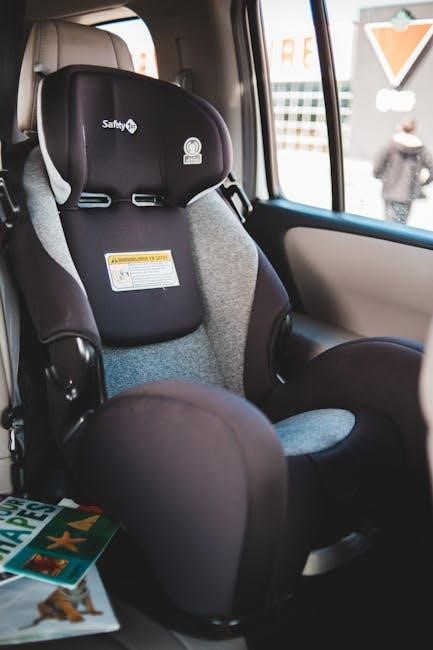
Safety First car seats, often comprising a booster seat and backrest with integrated height-adjustable headrests, require careful consideration․ Understanding these components is key to proper use․ Employers committed to work vehicle safety should educate employees on recognizing different car seat designs․
Various types exist, each designed for specific age and weight ranges․ Proper selection, aligned with a child’s developmental stage, is crucial․ Digitalization and automation aren’t directly applicable here, but smart monitoring systems could potentially verify correct car seat type usage․ Prioritizing hazard prevention necessitates knowing which seat fits best․
Choosing the Right Car Seat
Selecting the appropriate seat demands adherence to age and weight requirements, alongside understanding current car seat standards and regulations for optimal safety․
Age and Weight Requirements
Determining the correct car seat hinges on a child’s age, weight, and developmental stage․ Manufacturers provide specific guidelines; always consult the car seat’s instruction manual․ Rear-facing seats are generally recommended for infants and toddlers until they reach the maximum height or weight limit specified by the seat․
Forward-facing seats, with a harness, are suitable once a child exceeds those limits․ Booster seats are for older children who have outgrown forward-facing harnesses but are still too small for a vehicle’s seat belt to fit properly․ Ignoring these requirements compromises safety, potentially leading to severe injuries during a collision․ Prioritize adherence to these crucial guidelines․
Car Seat Standards and Regulations
Adhering to established car seat standards is paramount for child passenger safety․ Regulations, enforced by agencies like OSHA, ensure car seats undergo rigorous testing to meet stringent safety criteria․ These standards dictate performance in crash scenarios, evaluating restraint systems and structural integrity․
Manufacturers must certify their products comply with these regulations․ Employers, when providing work vehicles, are responsible for ensuring car seats used meet these standards․ Staying informed about current regulations and recalls is vital․ Compliance minimizes risks and maximizes protection for young passengers, fostering a safer transportation environment for everyone involved․
Rear-Facing vs․ Forward-Facing
Determining the appropriate car seat orientation – rear-facing or forward-facing – is critical for optimal child safety․ Rear-facing positions are demonstrably safer for younger children, distributing crash forces more evenly across the entire body․ Regulations and expert recommendations emphasize extended rear-facing as long as the child’s weight and height permit․
Transitioning to forward-facing should only occur when the child exceeds the rear-facing limits․ Employers providing transport must understand these guidelines․ Prioritizing rear-facing offers superior protection, minimizing the risk of severe injury during a collision, and contributing to a proactive safety culture․

Installing the Car Seat in the Vehicle
Proper installation, following all guidelines before initial use, is paramount; utilize LATCH systems or vehicle seat belts for secure placement and stability․
Locating LATCH System
The Lower Anchors and Tethers for CHildren (LATCH) system provides a standardized attachment method for car seats, enhancing safety and ease of installation․ Locate the lower anchors – typically found in the seat bight, where the seat back and cushion meet․ Consult your vehicle’s owner’s manual for the precise location, as it varies by make and model․ Once identified, ensure the car seat’s connectors securely latch onto these anchors, often indicated by a clicking sound․ Remember, the LATCH system has weight limits; exceeding them necessitates using the vehicle seat belt for installation․ Always verify a snug fit, minimizing movement, to maximize protection during travel․
Using the Vehicle Seat Belt for Installation
When the LATCH system’s weight limit is surpassed, or if your vehicle lacks LATCH anchors, utilize the vehicle’s seat belt for secure car seat installation․ Route the belt through the designated car seat pathways, as outlined in both the car seat and vehicle manuals․ Ensure the belt lies flat and isn’t twisted․ To tighten, push down firmly on the car seat while pulling the slack from the seat belt․ A firm, stable installation is paramount; minimal side-to-side or front-to-back movement (less than one inch) indicates a secure fit․ Always double-check the belt lock mechanism engages correctly․
Angle Indicator and Recline Adjustment
Proper recline is vital, especially for rear-facing installations, ensuring the child’s head doesn’t flop forward․ Most car seats feature an angle indicator – a line or bubble level – to guide correct positioning․ Adjust the recline mechanism according to the car seat’s instructions, verifying the indicator shows the appropriate angle․ Regularly check this angle, as vehicle seat contours can vary․ Incorrect recline compromises safety; a too-upright position may not offer sufficient side impact protection, while too reclined can affect belt fit․ Prioritize following manufacturer guidelines meticulously․
Tightening and Securing the Car Seat
Once installed using LATCH or the seat belt, rigorously tighten the car seat․ Minimal side-to-side or front-to-back movement – less than one inch – is the goal․ For LATCH, pull the strap tight, engaging the locking mechanism․ With the seat belt, ensure it’s locked; many vehicles have locking latches․ Continuously check tightness throughout installation․ A secure installation prevents excessive movement during a crash, significantly reducing injury risk․ Re-evaluate tightness after each use, as vibrations can loosen connections․ Prioritize a firm, stable fit for optimal child protection․
Harnessing Your Child Correctly
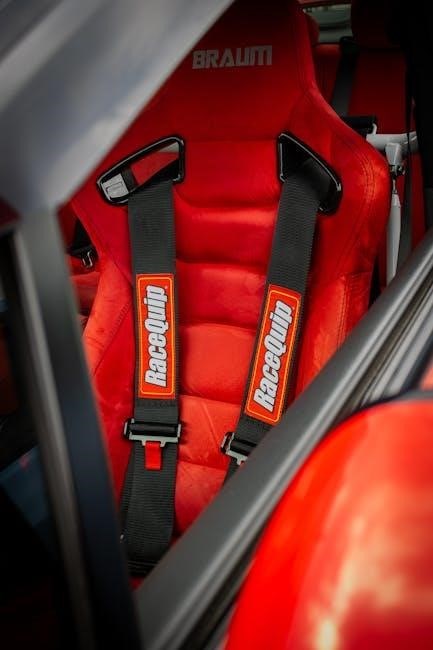
Proper harnessing involves correct shoulder strap placement, chest clip positioning, and a tightness check to minimize movement during potential impacts․
Proper Shoulder Strap Placement
Ensuring correct shoulder strap positioning is paramount for optimal child safety within a car seat․ Straps must originate above the child’s shoulders when used in a rear-facing configuration, and at or below the shoulders when forward-facing․ This placement maximizes the car seat’s protective capabilities during a collision, distributing impact forces effectively․ Regularly check and adjust the straps as your child grows, maintaining this crucial height relationship․ Incorrect placement compromises safety, potentially causing injury․ Prioritize this adjustment with each use, verifying secure and appropriate positioning before every journey to safeguard your precious passenger․
Chest Clip Positioning
The chest clip plays a vital role in keeping the harness straps correctly positioned on your child’s body․ It should always be placed at armpit level – neither too high nor too low․ This ensures the straps remain over the shoulders, providing optimal impact protection during a crash or sudden stop․ The clip’s primary function isn’t to prevent harness slippage, but to maintain proper strap alignment․ Never use the chest clip alone; it must work in conjunction with a securely fastened harness․ Regularly verify its position and function before each trip, prioritizing consistent safety checks․
Harness Tightness Check
Ensuring a snug harness fit is paramount for optimal car seat safety․ After buckling your child in, perform the “pinch test․” If you can pinch any excess webbing at the shoulder strap near the collarbone, the harness is too loose and needs tightening․ The straps should lie flat against your child’s chest and shoulders, with no slack․ Remember, clothing can compress in a crash, so a tighter fit initially is crucial․ Regularly re-check the harness tightness throughout the journey, especially on longer trips, to maintain consistent protection․
Ongoing Safety Checks and Maintenance
Regular inspection, proper cleaning, and awareness of expiration dates are vital for maintaining a car seat’s effectiveness and ensuring continued child protection․
Regularly Inspecting the Car Seat
Consistent and thorough inspections are paramount to ensuring ongoing car seat safety․ Employers fostering work vehicle safety should emphasize this practice․ Check the harness straps for wear and tear, ensuring they aren’t frayed or damaged․ Verify the buckle functions smoothly and securely locks․ Examine the car seat shell for any cracks or breaks, particularly after any incident, even minor ones․ Confirm the installation remains tight and secure, moving the seat side-to-side and front-to-back – it shouldn’t shift more than one inch in any direction․ Regularly review the manufacturer’s instructions for specific inspection points relevant to your model․ Proactive checks contribute significantly to preventing potential hazards and maintaining optimal protection for young passengers․
Cleaning and Care Instructions
Maintaining a clean car seat is vital, but always adhere to the manufacturer’s guidelines․ Generally, use mild soap and water to clean the plastic components․ For fabric covers, check if they are removable and machine washable; if so, use a gentle cycle․ Avoid harsh chemicals or abrasive cleaners, as these can damage the materials and compromise safety․ Regularly vacuum the seat to remove crumbs and debris․ Ensure the car seat is completely dry before reinstalling the cover or using it․ Proper cleaning not only enhances hygiene but also preserves the integrity of the car seat’s safety features, contributing to a safer ride․
Expiration Dates and Replacement
Car seats, like many safety products, have expiration dates – typically six to ten years from the date of manufacture․ This is because plastics degrade over time, potentially compromising the seat’s structural integrity in a crash․ Always check the label on your car seat for the specific expiration date․ Additionally, a car seat should be replaced immediately after any crash, even if there’s no visible damage․ Regularly inspecting for wear and tear, and adhering to the expiration date, are crucial steps in ensuring continued safety for your child during every journey․
Advanced Safety Features
Modern car seats incorporate side impact protection and energy-absorbing foam, alongside adjustable headrests, enhancing overall safety and minimizing injury risks․
Side Impact Protection
Robust side impact protection is a critical advanced safety feature in contemporary car seats, designed to shield children during collisions originating from the side․ These systems often integrate reinforced shells and specialized energy-managing foam strategically positioned within the headrest and torso areas․ This construction aims to distribute impact forces away from the child’s vulnerable body parts, significantly reducing the risk of severe injuries․
Effective side impact protection isn’t merely about the materials used; it’s also about the overall design and testing standards met by the car seat․ Manufacturers rigorously test their products to ensure they meet or exceed stringent safety regulations, providing parents with confidence in their child’s protection during potential side-impact events․
Energy-Absorbing Foam
Integral to modern car seat design, energy-absorbing foam plays a vital role in mitigating the forces experienced during a vehicle collision․ Strategically placed within the car seat’s shell and headrest, this specialized foam compresses upon impact, effectively dissipating and reducing the energy transferred to the child․ Different foam densities are utilized to optimize protection across various impact zones․
This technology complements other safety features, like reinforced frames and side-impact protection, creating a comprehensive safety system․ Manufacturers continually refine foam compositions and placement to maximize energy absorption and minimize the risk of injury, ensuring a safer ride for young passengers․
Headrest Adjustments
Proper headrest positioning is paramount for optimal child safety within a car seat․ Adjustable headrests accommodate a growing child, ensuring their head and neck are securely supported, minimizing movement during impacts․ These adjustments should be made frequently as the child gains height, maintaining appropriate protection levels․
Integrated height adjustments, often combining headrest and harness adjustments, simplify the process․ Correct headrest height prevents the child’s head from contacting the vehicle interior during a crash, reducing injury risk․ Regularly verifying and adjusting the headrest is a crucial component of ongoing car seat safety checks․

Workplace Safety and Car Seat Use (Employer Responsibilities)
Employers must prioritize work vehicle safety, communicating this commitment to all organizational levels and allocating necessary resources for effective programs․
Commitment to Work Vehicle Safety
A steadfast commitment from employers is paramount to ensuring work vehicle and roadway safety․ This dedication must be clearly communicated throughout all levels of the organization, fostering a culture where safety isn’t just a policy, but a core value․ Demonstrating this commitment requires a tangible investment – allocating both time and budgetary resources specifically for work vehicle and roadway safety initiatives․
Proactive hazard prevention and control are essential, protecting workers from potential injuries, illnesses, and incidents․ By prioritizing safety, employers contribute to minimizing risks and providing safe, healthful working conditions for their employees, ultimately reducing suffering and financial burdens․
Allocating Resources for Safety
Effective safety programs necessitate a dedicated allocation of budgetary and time resources․ This investment supports crucial initiatives like comprehensive training programs for employees on safe driving practices and proper car seat installation․ Funding should also be directed towards acquiring and maintaining necessary safety equipment, including appropriate car seats for work vehicles where applicable․
Furthermore, resources must be available for regular vehicle inspections and maintenance, ensuring all safety features are functioning correctly․ Prioritizing these allocations demonstrates a genuine commitment to worker well-being and minimizes potential risks associated with work-related travel․

Digitalization and Automation in Car Seat Safety
Automation and smart monitoring systems are transforming occupational safety, reducing hazardous exposures and preventing injuries while improving overall working conditions․
Smart Monitoring Systems
Integrating advanced technologies like smart monitoring systems represents a significant leap forward in car seat safety․ These systems offer real-time data and alerts, enhancing preventative measures and reducing potential risks for young passengers․ Automation plays a key role, continuously assessing installation integrity and harness tightness․
Such systems can detect improper installations or adjustments, immediately notifying caregivers via mobile applications or vehicle interfaces․ This proactive approach minimizes the chance of errors, ensuring optimal protection during travel․ Furthermore, data collected can contribute to ongoing improvements in car seat design and safety standards, fostering a culture of continuous enhancement and ultimately safeguarding children on the road․
Reducing Hazardous Exposures
Digitalization and automation directly contribute to minimizing hazardous exposures related to car seat usage․ By implementing smart systems, potential risks associated with incorrect installation or improper harnessing are significantly reduced․ These technologies offer continuous monitoring, alerting caregivers to any deviations from optimal safety parameters․
Automation can also assist in identifying and mitigating environmental hazards within the vehicle, such as extreme temperatures․ This proactive approach protects children from discomfort and potential harm․ Ultimately, these advancements create a safer travel environment, decreasing the likelihood of accidents and lessening the severity of injuries should an incident occur, bolstering overall child passenger safety․

Resources for Further Information
OSHA provides vital safety topics, regulatory details, and best practices for employers and workers, ensuring safer workplaces and roadways for all․
OSHA Safety and Health Topics
OSHA’s comprehensive Safety and Health Topics pages serve as invaluable resources for fostering safer work environments, particularly concerning vehicle and roadway safety․ These pages deliver crucial regulatory and enforcement information, empowering employers and employees alike to understand their rights and responsibilities․
Furthermore, OSHA provides detailed hazard identification and control strategies, alongside best practices designed to minimize risks and prevent incidents․ Accessing these resources assists safety and health professionals in implementing effective programs, ultimately contributing to a reduction in work-related injuries, illnesses, and fatalities․ Employers are encouraged to utilize these tools to proactively enhance workplace safety․
Car Seat Manufacturer Websites
Directly consulting car seat manufacturer websites is paramount for accessing the most accurate and up-to-date installation and usage instructions․ These resources often include detailed guides, videos, and frequently asked questions specifically tailored to each car seat model․

Manufacturers provide critical information regarding proper harnessing techniques, recline adjustments, and compatibility with various vehicle types․ Regularly checking these websites ensures adherence to the latest safety standards and recalls․ Prioritizing manufacturer guidance, alongside OSHA resources, guarantees optimal child passenger safety and responsible vehicle operation․