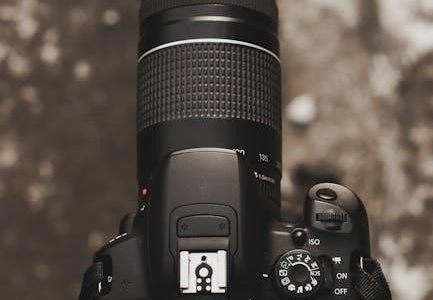
stealth cam owners manual
Stealth Cams empower users to remotely capture wildlife‚ security footage‚ or monitor property‚ offering a discreet and reliable surveillance solution for diverse needs․
These cameras boast features like motion detection‚ infrared flash‚ and weatherproof designs‚ providing high-quality images and videos in various conditions․
Benefits include enhanced security‚ wildlife observation‚ and remote monitoring capabilities‚ making them valuable tools for homeowners‚ hunters‚ and researchers alike․
The PC Gamer community actively discusses gaming hardware‚ new releases‚ and troubleshooting‚ mirroring the need for clear guidance with technology like Stealth Cams․
What is a Stealth Cam?
Stealth Cams represent a specialized category of trail cameras designed for remote wildlife observation and security monitoring․ Unlike traditional cameras‚ they are engineered for covert operation‚ often featuring camouflage patterns and silent triggering mechanisms․ These devices automatically capture images or videos when motion is detected within their field of view‚ offering a hands-free surveillance solution․
Modern Stealth Cams incorporate advanced technologies like infrared illumination for nighttime imaging‚ high-resolution sensors for detailed pictures‚ and weatherproof housings to withstand harsh environmental conditions․ The PC Gamer community’s focus on hardware parallels the technical aspects of these cameras‚ requiring understanding of components and settings․
Essentially‚ a Stealth Cam acts as a silent‚ watchful eye‚ providing valuable data and insights without human intervention․
Key Features and Benefits
Stealth Cams deliver a robust suite of features‚ including high-resolution image and video capture‚ rapid trigger speeds to avoid missing crucial moments‚ and infrared flash technology for clear nighttime imagery․ Motion detection sensitivity is adjustable‚ minimizing false triggers from wind or small animals․ Many models offer time-lapse recording‚ ideal for monitoring plant growth or construction progress․
The benefits are numerous: enhanced property security‚ valuable wildlife research data‚ and the ability to remotely monitor remote locations․ Similar to the PC Gamer community’s pursuit of optimal gaming experiences‚ Stealth Cam users seek reliable performance and clear results․
Durability and weather resistance are also key advantages․
Setting Up Your Stealth Cam
Proper setup ensures optimal performance; carefully select a location‚ secure the camera‚ and configure initial settings for reliable operation and desired results․
Like building a gaming PC‚ meticulous attention to detail during setup is crucial for success․
Initial Camera Setup
Begin by carefully unpacking your Stealth Cam and inspecting all components․ Choose a mounting location offering a clear field of view‚ considering factors like sunlight and potential obstructions․ Securely attach the camera to a tree or post using the provided mounting bracket and straps‚ ensuring stability․
Before powering on‚ familiarize yourself with the camera’s exterior buttons and ports․ Similar to assembling a gaming PC‚ a methodical approach is key․ Double-check all connections and ensure the camera is firmly mounted before proceeding to the next step – installing the power source and SD card․
Installing Batteries or Power Source
Your Stealth Cam typically operates on either batteries or an external power source․ For battery operation‚ use the recommended type and quantity‚ ensuring correct polarity during installation․ A fresh set of batteries maximizes performance‚ much like a reliable power supply for a gaming PC․
Alternatively‚ connect an external 12V DC power adapter to the designated port․ Verify the adapter’s voltage matches the camera’s requirements․ Proper power management is crucial for consistent operation and avoiding data loss‚ mirroring the importance of stable power in gaming setups․
SD Card Installation and Compatibility
To install an SD card‚ first ensure the camera is powered off․ Locate the SD card slot‚ usually protected by a small door․ Gently insert the SD card until it clicks into place‚ similar to installing storage in a gaming PC․
Compatibility is key; check your camera’s manual for supported SD card types (SDHC‚ SDXC) and maximum capacity․ Formatting the SD card within the camera’s menu is recommended for optimal performance․ Regularly back up your images and videos‚ just as you would safeguard important game saves․
Understanding the Camera Interface
Navigating the interface involves familiarizing yourself with button functions‚ menu options‚ and the display screen‚ akin to mastering gaming PC controls for optimal use․
Button Functions and Navigation
The Stealth Cam interface typically features buttons for power‚ menu access‚ and image/video capture‚ mirroring the essential controls found on gaming PCs for streamlined operation․
The ‘Menu’ button allows access to settings like image resolution‚ trigger speed‚ and flash options‚ similar to navigating graphics settings in a game․
Use the directional buttons to scroll through menu items and adjust settings‚ much like using keyboard controls for precise adjustments․
Confirm selections with the ‘OK’ or ‘Select’ button‚ finalizing your desired settings for optimal performance‚ just as you’d confirm settings in a game launcher․
Understanding these basic functions is crucial for efficient camera operation and customization․
Menu Options Explained
The Stealth Cam menu provides access to vital settings‚ akin to the configuration panels within gaming software for optimizing performance․
‘Image Size’ controls resolution‚ impacting clarity and file size – similar to adjusting texture quality in games․
‘Trigger Speed’ determines how quickly the camera activates upon motion detection‚ crucial for capturing fast-moving subjects‚ like reaction time in shooters․
‘Flash Mode’ offers options like ‘White‚’ ‘IR‚’ or ‘Off‚’ influencing image visibility in varying light conditions‚ comparable to lighting effects in games;
Explore ‘Date/Time’ and ‘Location’ settings for accurate data logging‚ mirroring the importance of system information for troubleshooting․
Display Screen Information
The Stealth Cam’s display presents crucial operational data‚ functioning like a heads-up display (HUD) in a video game‚ providing real-time feedback․
You’ll find battery level indicators‚ ensuring uninterrupted operation‚ similar to monitoring system resources during gameplay․
SD card capacity displays remaining storage space‚ preventing missed captures‚ analogous to checking hard drive space before installing a new game․
Signal strength reveals connectivity quality for remote viewing‚ comparable to assessing network latency for online gaming;
Date and time are prominently shown for accurate event logging‚ mirroring the importance of timestamps in gaming sessions․

Camera Settings and Customization
Tailor your Stealth Cam to specific needs through adjustable settings‚ optimizing image quality‚ trigger sensitivity‚ and flash options for ideal performance․
Like fine-tuning PC gaming settings‚ customization enhances the overall user experience and capture results․
Image Resolution and Quality
Selecting the appropriate image resolution is crucial for balancing file size and detail․ Stealth Cams typically offer options ranging from lower resolutions for extended recording times to higher resolutions for sharper‚ more detailed images․
Higher resolutions‚ like 12MP or 20MP‚ are ideal for zooming in on subjects without significant pixelation‚ while lower resolutions conserve SD card space․
Image quality can also be adjusted through settings like sharpness and contrast․ Experimenting with these settings allows you to optimize images for specific lighting conditions and subject matter‚ similar to adjusting graphics settings for optimal PC gaming visuals․
Consider the intended use of the images when choosing resolution and quality settings․
Trigger Speed and Recovery Time
Trigger speed refers to how quickly the camera captures an image or video after detecting motion․ A faster trigger speed (under 0․5 seconds) is essential for capturing fast-moving animals or subjects‚ preventing missed shots․
Recovery time is the period the camera needs to become ready for another trigger event after capturing an image or video․ Shorter recovery times ensure continuous monitoring without gaps․
Balancing these two settings is key; faster trigger speeds may increase recovery time‚ and vice versa․ Like optimizing PC gaming performance‚ finding the right balance is crucial for optimal results․
Consider the expected activity level when adjusting these settings․
Flash Settings (White‚ Infrared‚ No Flash)
Flash settings significantly impact image quality and detection by animals․ White flash provides bright‚ color images but may spook wildlife․ It’s best for security applications where detection isn’t a concern․
Infrared (IR) flash is invisible to most animals‚ offering discreet operation for wildlife observation․ IR images are typically black and white‚ but modern cameras offer enhanced clarity․
No flash relies on ambient light‚ suitable for well-lit environments․ Like adjusting graphics settings for PC gaming‚ selecting the right flash mode depends on the specific scenario and desired outcome․
Experiment to find the optimal setting for your needs․
Date‚ Time‚ and Location Settings
Accurate date and time are crucial for organizing and analyzing captured images and videos․ Incorrect settings can render footage useless for tracking events․ Access these settings through the camera’s menu system‚ typically found under ‘Setup’ or ‘System’․
Location settings‚ if available‚ allow geotagging images‚ useful for mapping animal movements or security incidents․ Similar to setting resolutions for PC gaming‚ precise configuration is key․
Ensure the time zone is correctly configured to match your location․ Regularly check these settings‚ especially after battery changes‚ to maintain data integrity․
Image and Video Management
Accessing captured content involves removing the SD card or utilizing a direct USB connection to download files for viewing and archiving on a computer․
Accessing Images and Videos
Retrieving your captured footage is a straightforward process‚ primarily achieved through the SD card․ Carefully remove the SD card from your Stealth Cam‚ ensuring the camera is powered off to prevent data corruption․
Alternatively‚ many Stealth Cam models offer a USB port for direct connection to your computer․ Connecting via USB allows for quick transfer of images and videos without needing a card reader․
The PC Gamer community’s discussions about hardware connections parallel this need for seamless data access․ Once connected‚ your computer will recognize the camera as a removable drive‚ granting access to the stored files․
Organize your content efficiently for easy review and sharing․
SD Card Reader Usage
Utilizing an SD card reader provides a convenient method for transferring images and videos from your Stealth Cam’s SD card to your computer․ Insert the SD card into the reader‚ then connect the reader to an available USB port on your computer․
Your computer should automatically detect the SD card as a removable drive‚ allowing you to browse and copy the files․
Similar to the PC Gamer community’s focus on hardware compatibility‚ ensure your card reader supports the SD card’s format (SDHC or SDXC)․
This method is especially useful if your camera lacks a direct USB connection․
Downloading and Viewing Files on a Computer
After transferring files from the SD card using a card reader or direct USB connection‚ locate the removable drive on your computer․ Open the drive to access folders containing your Stealth Cam’s images and videos‚ often organized by date and time․
Copy the desired files to a folder on your computer’s hard drive for easy viewing and organization․
Like the PC Gamer community sharing game footage‚ you can now view these files using standard media players or image viewers․
Ensure you have sufficient storage space before downloading large volumes of data․
Advanced Features and Settings
Explore time-lapse‚ multi-shot‚ and hybrid modes for customized surveillance; mirroring the PC Gamer community’s pursuit of optimized gaming experiences and settings․
Time-Lapse Mode
Time-lapse mode allows your Stealth Cam to capture images at pre-defined intervals‚ condensing long periods into a short‚ visually engaging sequence․ This is ideal for observing gradual changes‚ such as plant growth‚ animal movement patterns over extended durations‚ or even monitoring construction progress․
You can typically adjust the interval – from seconds to hours – to suit your specific needs․ Shorter intervals create faster-paced videos‚ while longer intervals are better for observing events unfolding over days or weeks․ Remember to consider battery life‚ as frequent image capture will consume more power․ Like optimizing PC gaming settings‚ finding the right balance is key!
Multi-Shot Mode
Multi-Shot mode enhances your chances of capturing the perfect image by taking a burst of several photos each time motion is detected․ This feature is particularly useful when tracking fast-moving subjects‚ like deer running or birds in flight‚ ensuring you don’t miss a crucial moment․
The number of shots per trigger event is usually configurable within the camera’s settings․ Similar to adjusting gaming resolutions for optimal performance‚ experiment with different settings to find what works best for your environment and target species․ Be mindful of SD card space‚ as multiple images per event will fill it faster․
Hybrid Mode (Image + Video)
Hybrid Mode combines the benefits of both image and video recording‚ capturing a series of still photos and a video clip whenever motion is detected․ This provides a comprehensive record of activity‚ offering both detailed snapshots and continuous footage for thorough analysis․
Like optimizing PC gaming hardware for the best experience‚ Hybrid Mode requires balancing storage capacity and desired recording length․ Configure the video duration within the camera’s menu․ This mode is ideal for security applications or detailed wildlife observation‚ ensuring no detail is missed‚ much like a dedicated gamer’s setup․
Troubleshooting Common Issues
Common problems include power failures‚ poor image quality‚ and trigger malfunctions; addressing these promptly ensures optimal performance‚ similar to resolving PC gaming glitches․
Camera Not Powering On
If your Stealth Cam fails to power on‚ begin by verifying the batteries are correctly installed with proper polarity‚ or that the external power source is securely connected․
Ensure batteries are fresh and fully charged; low battery power is a frequent cause of this issue․ Inspect the battery compartment for any corrosion or debris that might impede contact․
If using an external power adapter‚ confirm it’s functioning correctly with another device․ Check the DC input jack on the camera for damage․
Like troubleshooting a PC that won’t boot‚ systematically eliminate potential causes․ Reset the camera by removing and reinserting the SD card and batteries․ If problems persist‚ consult the warranty information․
Poor Image Quality
Suboptimal image quality on your Stealth Cam often stems from lens obstruction – carefully clean the lens with a soft‚ dry cloth to remove dirt‚ dust‚ or smudges․
Verify sufficient ambient light; infrared flash range is limited‚ and images may appear grainy in complete darkness․ Adjust flash settings (White‚ Infrared‚ No Flash) based on the environment․
Confirm the camera is positioned correctly‚ avoiding direct sunlight or bright light sources that can cause glare․ Ensure the image resolution is set to the desired level within the camera’s menu․
Similar to optimizing graphics settings on a gaming PC‚ fine-tuning these parameters will yield clearer results․
Trigger Not Activating
If your Stealth Cam isn’t triggering‚ first check the battery level; low batteries can significantly reduce sensitivity and trigger responsiveness․ Ensure the sensitivity setting is appropriately adjusted – higher sensitivity detects smaller movements‚ but may increase false triggers․
Verify the camera’s field of view isn’t obstructed by vegetation or objects․ Confirm the trigger speed setting isn’t excessively slow‚ potentially missing fast-moving subjects․
Like troubleshooting PC gaming issues‚ systematically checking settings is key․ Consider testing with a deliberate movement within the detection zone․
SD Card Errors
Encountering SD card errors with your Stealth Cam can be frustrating․ First‚ ensure the SD card is compatible with the camera’s specifications (capacity and class)․ A corrupted or damaged card will prevent image/video saving․
Try formatting the SD card within the camera’s menu – this often resolves minor errors․ If the issue persists‚ test with a different‚ known-good SD card․
Similar to diagnosing PC gaming hardware‚ isolating the problem is crucial․ Avoid repeatedly inserting/removing the card‚ as this can cause further damage․
Maintaining Your Stealth Cam
Regular maintenance ensures optimal performance and longevity․ Clean the lens‚ check battery levels‚ and protect the camera from harsh weather conditions consistently․
Cleaning the Lens
Maintaining a clear lens is crucial for capturing high-quality images and videos with your Stealth Cam․ Dust‚ dirt‚ and smudges can significantly reduce image clarity‚ impacting the camera’s effectiveness․ To clean the lens‚ use a soft‚ microfiber cloth specifically designed for optics․
Avoid using harsh chemicals‚ abrasive cleaners‚ or paper towels‚ as these can scratch the lens surface․ Gently wipe the lens in a circular motion to remove any debris․ For stubborn smudges‚ lightly dampen the microfiber cloth with lens cleaning solution – ensure it’s formulated for camera lenses․
Regular cleaning‚ especially before and after use in challenging environments‚ will help preserve optimal image quality and extend the life of your Stealth Cam․ Like PC Gamer community members care for their gaming setups‚ diligent care is key!
Battery Care and Replacement
Proper battery management is essential for reliable Stealth Cam operation․ Always use the recommended battery type specified in your owner’s manual – typically AA batteries․ Avoid mixing old and new batteries‚ or different battery brands‚ as this can reduce performance and potentially damage the camera․
When replacing batteries‚ ensure correct polarity (+ and -)․ Consider using rechargeable batteries for cost savings and environmental benefits‚ but check compatibility with your camera model․ Cold temperatures can significantly reduce battery life; insulate the camera or use lithium batteries in frigid conditions․
Just as PC gamers optimize their systems‚ consistent battery care ensures peak performance!
Protecting the Camera from the Elements
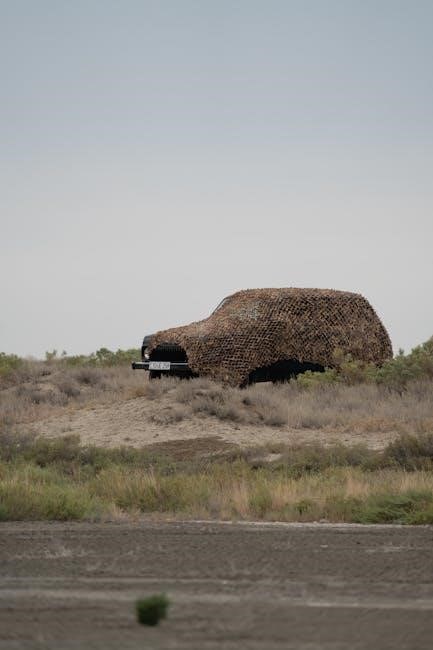
Stealth Cams are designed for outdoor use‚ but proper protection extends their lifespan․ Securely mount the camera to a stable surface‚ shielding it from direct sunlight‚ heavy rain‚ and snow․ Consider using a camera security box or camouflage netting for added protection and concealment․
Regularly inspect the camera housing for cracks or damage‚ and ensure all seals are intact․ Just like safeguarding a gaming PC from dust and spills‚ protecting your Stealth Cam from the elements prevents malfunctions․ Avoid exposing the camera to extreme temperatures for prolonged periods․
Safety Precautions
Prioritize responsible use by selecting appropriate camera placement‚ respecting privacy‚ and adhering to local laws regarding surveillance and data collection․
The PC Gamer community emphasizes ethical gaming‚ mirroring the need for responsible Stealth Cam operation․
Proper Camera Placement
Strategic placement is crucial for optimal Stealth Cam performance․ Consider the target area‚ ensuring a clear line of sight free from obstructions like branches or dense foliage․ Mount the camera securely to a stable surface – a tree‚ post‚ or building – at a height that balances detection range and minimizes risk of theft or vandalism․
Angle the camera slightly downward to capture the most relevant area‚ avoiding direct sunlight which can cause glare and wash out images․ Remember to test the trigger range and adjust positioning accordingly․ Like optimizing PC gaming setups discussed in the PC Gamer community‚ careful planning yields the best results․
Legal Considerations and Privacy
Respecting privacy is paramount when deploying a Stealth Cam․ Be aware of local laws regarding surveillance‚ particularly concerning recording in areas where individuals have a reasonable expectation of privacy – such as neighboring properties or private residences․ Always post visible signage indicating the presence of a camera to ensure transparency․
Avoid aiming the camera directly at private areas․ Similar to discussions within the PC Gamer community about responsible online behavior‚ ethical considerations are vital․ Review and adhere to all applicable regulations to avoid legal repercussions and maintain respectful practices․
Warranty Information
Your Stealth Cam is covered by a limited warranty against defects in materials and workmanship․ Registration validates coverage and streamlines support requests․
Like PC Gamer’s community support for hardware issues‚ we offer dedicated assistance for product concerns and troubleshooting guidance․
Registering Your Product
Registering your Stealth Cam is a crucial step to activate your warranty and ensure access to exclusive benefits․ This process typically involves visiting our official website and completing a short online form․
You’ll need your camera’s serial number‚ purchase date‚ and contact information․ Registration allows us to provide timely updates regarding firmware‚ new features‚ and important product notifications․
Similar to joining the PC Gamer community for support‚ registering your Stealth Cam connects you to a network of resources and dedicated customer service․ It also simplifies the warranty claim process should any issues arise‚ providing peace of mind and a seamless ownership experience․
Contacting Customer Support
Our dedicated customer support team is readily available to assist you with any questions or concerns regarding your Stealth Cam․ We offer multiple channels for support‚ including a comprehensive online knowledge base with FAQs and troubleshooting guides․
You can also reach us via email or phone during our business hours‚ detailed on our website․ Like seeking advice in the PC Gamer forums‚ we value your feedback and strive to provide prompt and effective solutions․
Please have your camera’s model number and serial number ready when contacting support to expedite the assistance process․ We are committed to ensuring your complete satisfaction․