zone 10a vegetable planting schedule pdf
Zone 10a Vegetable Planting Schedule: A Comprehensive Guide (Updated March 26, 2026)
Planning your Zone 10a garden? Access comprehensive vegetable planting schedule PDF guides for optimal timing, ensuring bountiful harvests of beets, broccoli, and more!
Understanding Zone 10a Climate
Zone 10a boasts a uniquely mild climate, characterized by warm winters and extended, hot summers. This allows for a remarkably long growing season, often exceeding 300 days! However, understanding the nuances is crucial for successful vegetable gardening. Zone 10a vegetable planting schedule PDF resources highlight the importance of monitoring temperatures, even during winter, as occasional frosts can occur.
Humidity levels are generally high, potentially increasing the risk of fungal diseases. Utilizing a detailed planting schedule, often found in downloadable PDF guides, helps gardeners strategically time plantings to avoid peak humidity periods. These guides also emphasize selecting heat-tolerant varieties and employing proper spacing techniques to promote air circulation, maximizing yields in this favorable, yet demanding, climate.
First Frost Dates & Growing Season Length
Zone 10a experiences a late first frost, typically after December, and a very early last frost, often before February. This translates to an exceptionally long growing season – frequently exceeding 330 days! A zone 10a vegetable planting schedule PDF will detail how to leverage this extended period.
However, frost dates are averages and can vary. These PDFs emphasize the importance of local microclimate awareness. The extended season allows for multiple plantings of many vegetables, utilizing succession planting techniques. Detailed schedules outline optimal sowing and transplanting times, maximizing harvests and ensuring continuous produce throughout the year, even with potential temperature fluctuations.
Soil Preparation for Zone 10a Vegetable Gardens
Zone 10a soils often benefit from significant amendment. A zone 10a vegetable planting schedule PDF will highlight the need for well-draining, nutrient-rich soil. Incorporate generous amounts of compost and aged manure to improve structure and fertility. Sandy soils require organic matter to retain moisture, while clay soils need it to enhance drainage.
Consider raised beds or containers for improved control. Soil testing is crucial to determine pH levels and nutrient deficiencies. These PDFs often include recommended soil amendments based on test results. Proper preparation is paramount for successful vegetable growth, ensuring strong root development and abundant yields throughout the extended growing season.
Vegetables to Start from Seed Indoors (January ─ March)
A detailed zone 10a vegetable planting schedule PDF emphasizes starting certain vegetables indoors for a head start. January-March is ideal for tomatoes, peppers, and eggplant, giving them ample time to develop before transplanting. Herbs like basil and oregano also benefit from indoor starting.
Utilize seed-starting mix and provide consistent moisture and warmth. These PDFs often detail specific germination times and light requirements. Starting seeds indoors protects young plants from fluctuating temperatures and potential pests, leading to healthier, more productive plants when moved outdoors in spring.
Tomatoes & Peppers: Starting Seeds Early
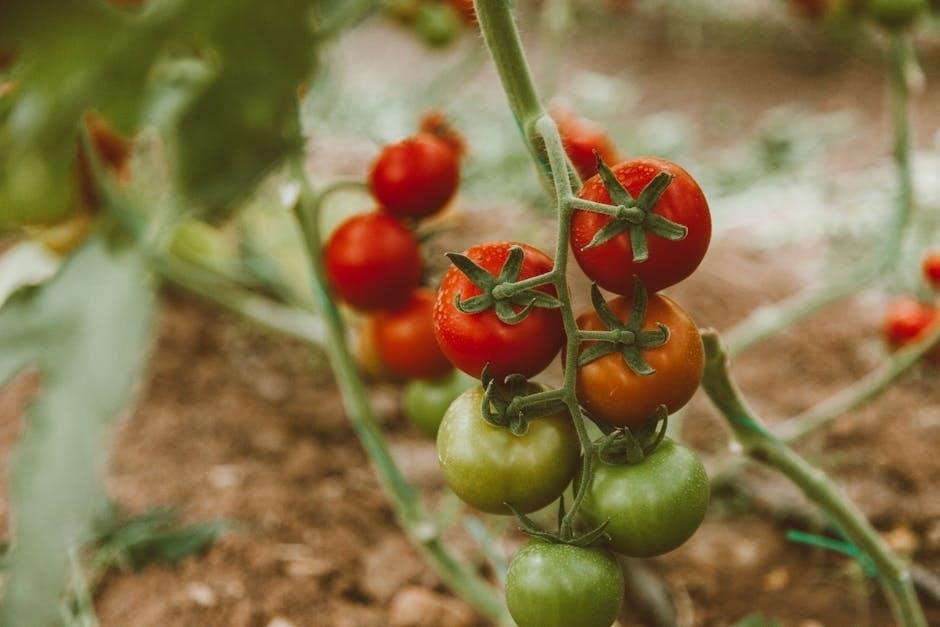
A zone 10a vegetable planting schedule PDF highlights the importance of early seed starting for tomatoes and peppers. Begin 6-8 weeks before the last expected frost. Use a seed-starting mix and maintain a soil temperature of 70-80°F for optimal germination.

Provide 14-16 hours of light daily, supplementing with grow lights if necessary. Harden off seedlings gradually before transplanting outdoors. These PDFs often include variety recommendations suited for Zone 10a’s climate. Early starting ensures a longer growing season and a more abundant harvest of these warm-season favorites.
Eggplant & Herbs: Indoor Seed Starting
A detailed zone 10a vegetable planting schedule PDF emphasizes starting eggplant and many herbs indoors 8-10 weeks before the last frost. Eggplant requires warm temperatures for germination – aim for 80-90°F. Herbs like basil, oregano, and thyme also benefit from an indoor start.
Utilize a well-draining seed-starting mix and provide ample light. These PDFs often detail specific herb varieties thriving in Zone 10a. Harden off seedlings before transplanting. Starting indoors extends the growing season, allowing for a robust harvest of flavorful eggplants and aromatic herbs throughout the warmer months.
Direct Sowing Vegetables (March ‒ April)
A zone 10a vegetable planting schedule PDF highlights March-April as ideal for direct sowing. Root vegetables like beets, carrots, and radishes thrive when sown directly into the garden. Leafy greens – spinach, lettuce, and kale – also flourish with direct sowing during this period.
These PDFs often recommend preparing the soil with compost for optimal growth. Ensure consistent moisture for successful germination. Direct sowing minimizes transplant shock and encourages strong root development. Refer to the schedule for specific planting depths and spacing recommendations, maximizing yields in your Zone 10a garden.
Root Vegetables: Beets, Carrots, Radishes
A detailed zone 10a vegetable planting schedule PDF emphasizes March-April for sowing beets, carrots, and radishes directly. These root vegetables prefer well-drained soil enriched with compost. The PDF guides specify optimal seed spacing – typically ¼ to ½ inch deep – for successful germination.
Consistent soil moisture is crucial, especially during the initial growth stages. Radishes mature quickly, offering a fast harvest, while beets and carrots require a longer growing season. Consult the schedule for variety-specific timing and succession planting recommendations to ensure a continuous supply throughout the year.
Leafy Greens: Spinach, Lettuce, Kale
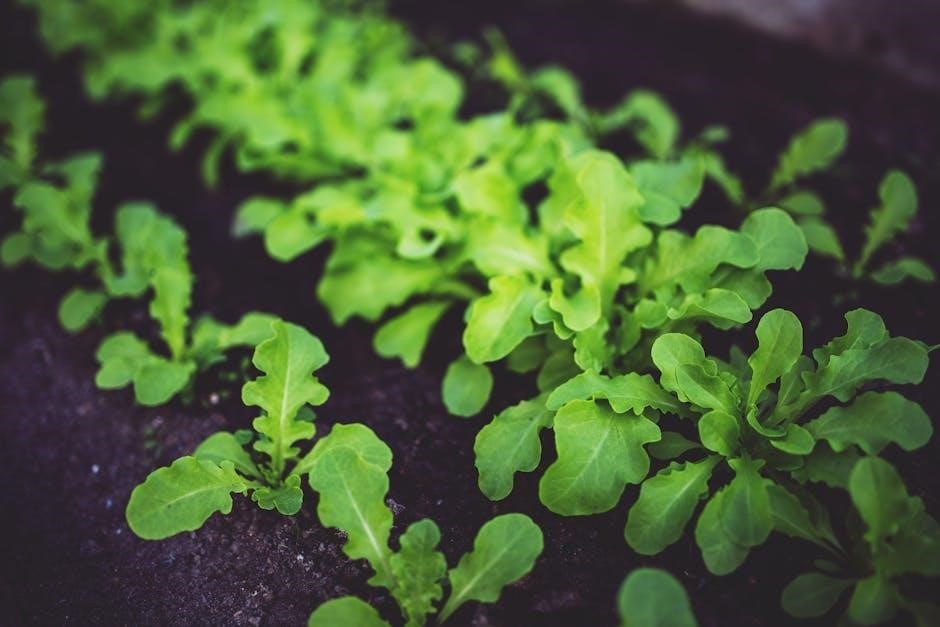
The zone 10a vegetable planting schedule PDF highlights March-April as prime time for direct sowing spinach, lettuce, and kale. These leafy greens thrive in cooler temperatures and benefit from partial shade, particularly during warmer months. The PDF recommends preparing the soil with organic matter for optimal growth.
Seed depth should be shallow – around ¼ inch – and consistent moisture is vital for germination. Succession planting every few weeks ensures a continuous harvest. Different lettuce and kale varieties offer varied textures and flavors, detailed within the schedule.
Warm Season Vegetable Planting (April ‒ May)
The zone 10a vegetable planting schedule PDF details April-May as the ideal period for transplanting tomatoes, peppers, and eggplant outdoors, after the risk of frost has passed. Direct sowing of cucumbers, squash, and melons is also recommended during this timeframe.
The PDF emphasizes the importance of hardening off transplants before exposing them to full sunlight. Soil warming is crucial for successful germination of direct-sown seeds. Amending the soil with compost provides essential nutrients. Careful consideration of spacing, as outlined in the schedule, maximizes yields.
Tomatoes, Peppers & Eggplant: Transplanting Outdoors
The zone 10a vegetable planting schedule PDF stresses a careful approach to transplanting tomatoes, peppers, and eggplant in April-May. Prior “hardening off” – gradually acclimating seedlings to outdoor conditions – is vital for success.
The PDF recommends spacing plants according to variety, typically 24-36 inches apart. Amending the planting hole with compost and a balanced fertilizer supports robust growth. Consistent watering is crucial post-transplant. Staking or caging tomatoes and peppers provides support, while mulching helps retain moisture and suppress weeds, as detailed in the guide.
Cucumbers, Squash & Melons: Direct Sowing & Transplanting
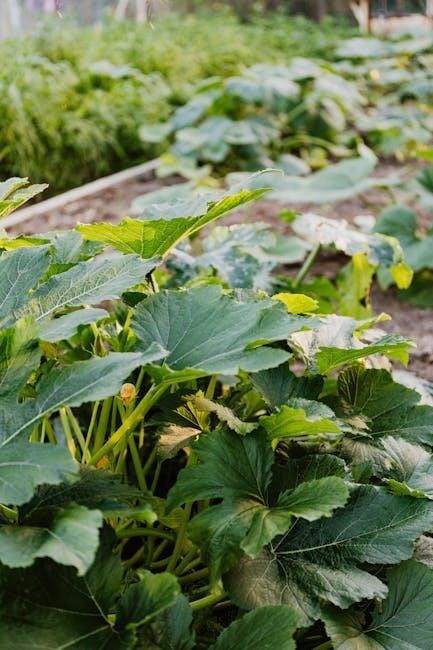
According to the zone 10a vegetable planting schedule PDF, cucumbers, squash, and melons thrive with either direct sowing or transplanting in April-May. Direct sowing is preferred for quicker establishment, but transplants offer a head start.
The PDF advises sowing seeds 1 inch deep, ensuring ample space between plants – especially for sprawling squash and melons. Consistent moisture is key for germination. When transplanting, handle seedlings carefully to avoid root disturbance. The guide emphasizes enriching the soil with compost for optimal growth and abundant yields of these warm-season favorites.
Summer Planting (June ‒ July)
The zone 10a vegetable planting schedule PDF highlights June-July as ideal for succession planting of beans and corn, maximizing harvests throughout the season. This involves sowing new seeds every few weeks to ensure a continuous supply.
Furthermore, the guide recommends focusing on heat-tolerant vegetables like okra and sweet potatoes during these hotter months. Okra thrives in the heat, while sweet potatoes require a long growing season. The PDF stresses consistent watering and mulching to protect plants from the intense summer sun and maintain soil moisture, leading to robust growth and plentiful yields.
Succession Planting of Beans & Corn
The zone 10a vegetable planting schedule PDF emphasizes succession planting for beans and corn as a key strategy for extended harvests. This technique involves sowing small batches of seeds every 2-3 weeks throughout June and July.
This staggered approach prevents a single, overwhelming harvest and ensures a continuous supply of fresh produce. The PDF details specific varieties suited for succession planting, noting bush beans are ideal for repeated sowings. It also advises selecting corn varieties with differing maturity dates for a prolonged harvest window, maximizing garden productivity during the warm season.
Heat-Tolerant Vegetables: Okra & Sweet Potatoes
The zone 10a vegetable planting schedule PDF highlights okra and sweet potatoes as excellent choices for the summer months due to their exceptional heat tolerance. Okra thrives in warm conditions, producing abundant yields when consistently watered.
The PDF recommends starting sweet potato slips indoors in early spring or purchasing them from a local nursery for transplanting in June. It details specific varieties well-suited to Zone 10a’s climate, emphasizing proper soil preparation and consistent moisture for optimal growth. These vegetables ensure a productive garden even during peak summer temperatures.
Fall Vegetable Planting (August ─ September)
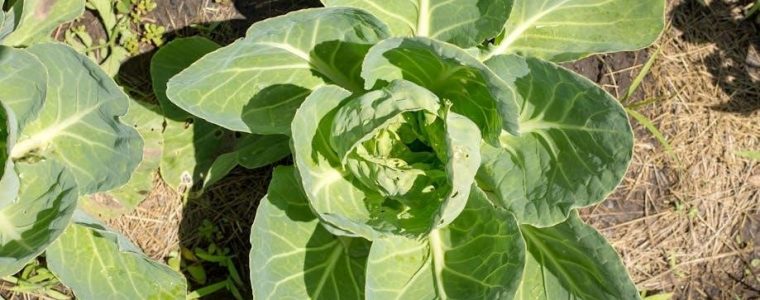
The zone 10a vegetable planting schedule PDF emphasizes August and September as prime time for fall vegetable planting. Broccoli, cabbage, and cauliflower are key crops to start, benefiting from the cooling temperatures. The guide details optimal planting depths and spacing for each variety.
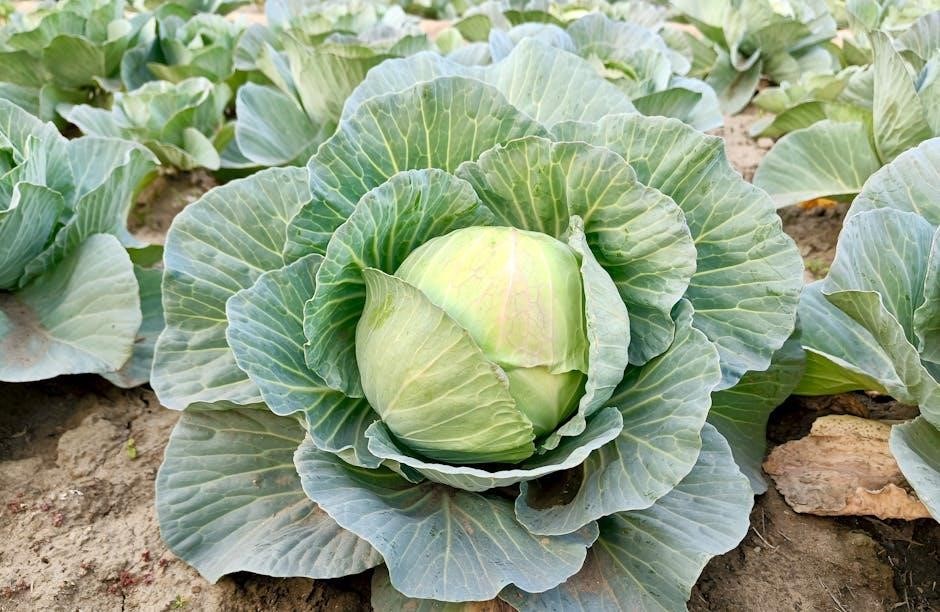
It also recommends a second planting of leafy greens like spinach, lettuce, and kale to ensure a continuous harvest throughout the fall and winter. The PDF stresses the importance of soil amendment with compost to provide essential nutrients for robust growth during this crucial planting window.

Broccoli, Cabbage & Cauliflower: Fall Crops
The zone 10a vegetable planting schedule PDF highlights that August-September is ideal for planting broccoli, cabbage, and cauliflower. These cool-season crops thrive in the diminishing heat. The guide specifies starting seeds indoors 6-8 weeks before the desired transplant date for optimal results.
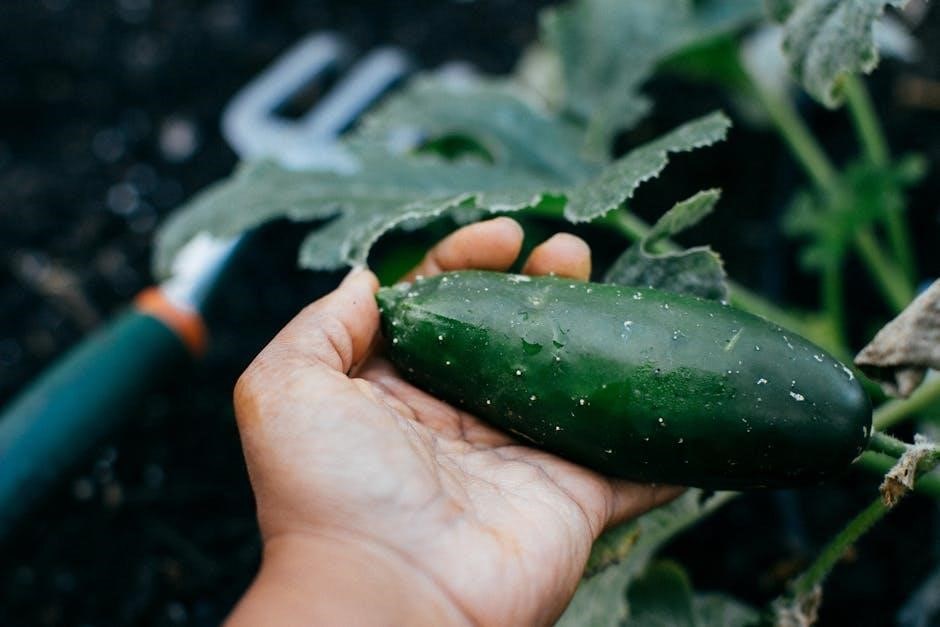
It details recommended varieties suited for Zone 10a’s mild winters, emphasizing disease resistance. The PDF also provides crucial information on pest control, particularly cabbage worms, and suggests organic solutions. Proper spacing – typically 18-24 inches apart – is vital for healthy development and maximum yield, as outlined in the document.
Leafy Greens: Second Planting for Fall Harvest
The zone 10a vegetable planting schedule PDF recommends a second planting of leafy greens – spinach, lettuce, and kale – in late August to September for a fall harvest. This timing avoids the intense summer heat, promoting robust growth. The guide suggests choosing heat-tolerant varieties for best results.
Succession planting, detailed in the PDF, ensures a continuous supply throughout the cooler months. It emphasizes the importance of consistent moisture and well-drained soil. The document also provides information on protecting greens from potential pests like aphids and slugs, recommending organic pest control methods for a healthy yield.
Winter Vegetable Gardening (October ─ February)
The zone 10a vegetable planting schedule PDF highlights surprisingly productive winter gardening. Cool-season crops like collards, kale, and mustard greens thrive in mild Zone 10a winters. The guide details specific planting dates within October-February for optimal growth, emphasizing the benefit of microclimates.
Furthermore, the PDF advocates for cover cropping during winter months to enrich soil health. Options like crimson clover or rye are suggested. It also provides tips on frost protection using row covers, extending the harvest period. The document stresses the importance of consistent watering, even during cooler temperatures, for healthy winter vegetables.
Cool-Season Crops: Collards, Kale, Mustard Greens
The zone 10a vegetable planting schedule PDF emphasizes the reliability of collards, kale, and mustard greens for winter harvests. These cool-season crops flourish in Zone 10a’s mild temperatures, offering continuous yields throughout the cooler months. The PDF details optimal planting times – typically October through November – for maximum productivity.
It also provides guidance on variety selection, suggesting cold-hardy cultivars. The document highlights the importance of well-drained soil and consistent moisture. Furthermore, it notes that these greens benefit from regular fertilization. The PDF offers pest and disease management tips specific to these crops, ensuring a healthy and abundant winter garden.
Cover Cropping for Soil Health
The zone 10a vegetable planting schedule PDF strongly advocates for cover cropping to enhance soil health. Utilizing cover crops during fallow periods improves soil structure, suppresses weeds, and boosts nutrient levels. The PDF recommends options like crimson clover, rye, or oats, detailing their specific benefits for Zone 10a gardens.
It outlines the timing for sowing cover crops – typically October/November – and provides instructions on termination methods, such as mowing or tilling. The document emphasizes the role of cover crops in preventing erosion and increasing organic matter. Furthermore, it explains how these practices contribute to a more sustainable and productive vegetable garden, as detailed within the comprehensive PDF guide.
Pest & Disease Management in Zone 10a
The zone 10a vegetable planting schedule PDF dedicates a section to proactive pest and disease management. Due to the long growing season, Zone 10a gardens face unique challenges. The PDF recommends preventative measures like crop rotation, companion planting, and selecting disease-resistant varieties.
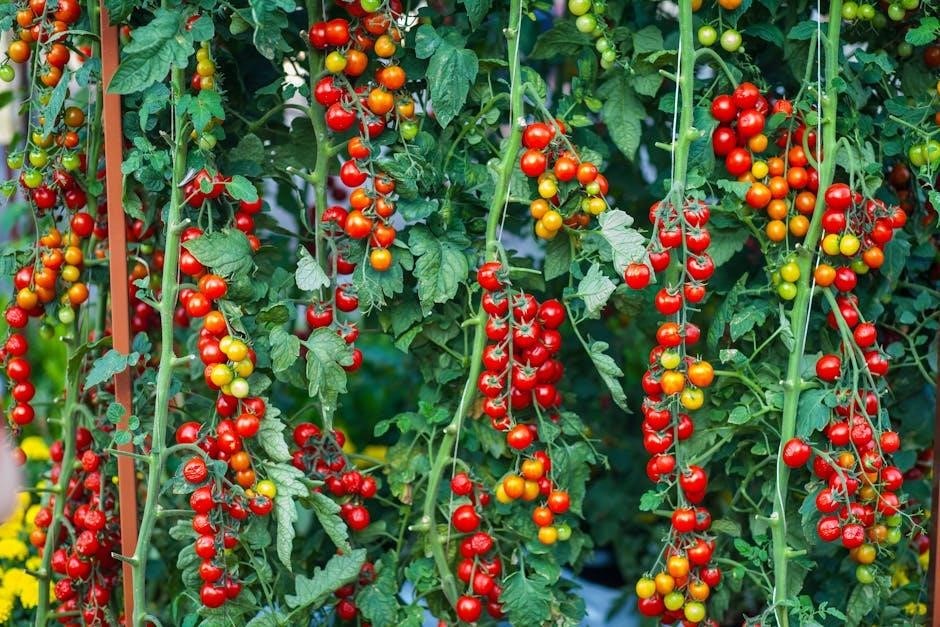
It details common pests – aphids, whiteflies, nematodes – and suggests organic control methods, including insecticidal soap and neem oil. The document also addresses fungal diseases prevalent in humid climates, advising on proper air circulation and fungicide applications. The PDF stresses early detection and integrated pest management strategies for a healthy, productive garden, offering a detailed guide for gardeners.
Watering & Irrigation Techniques
The zone 10a vegetable planting schedule PDF emphasizes efficient watering as crucial for success. Zone 10a’s warm climate demands consistent moisture, but overwatering can be detrimental. The PDF details various irrigation techniques, advocating for drip irrigation and soaker hoses to deliver water directly to roots, minimizing evaporation.
It provides guidelines for watering frequency based on plant type and soil conditions, stressing the importance of deep, infrequent watering. The document also covers mulching techniques to retain soil moisture and suppress weeds. The PDF includes a section on monitoring soil moisture levels and adjusting watering schedules based on rainfall, promoting water conservation.
Resources for Zone 10a Gardeners (PDF Guides & Websites)
Numerous zone 10a vegetable planting schedule PDF guides are available online, offering detailed planting calendars and regional advice. These PDF resources often include specific recommendations for varieties that thrive in the warm climate. Websites like local agricultural extension offices provide tailored information and downloadable planting guides.
Several gardening blogs and forums dedicated to Zone 10a offer community support and shared experiences. The PDF guides frequently link to these resources. Additionally, seed companies often provide downloadable planting schedules for their products. Utilizing these resources ensures gardeners have access to the latest information and best practices.
Microclimates within Zone 10a & Adjusting Schedules
Even within Zone 10a, microclimates significantly impact planting success. Coastal areas experience milder temperatures than inland regions, necessitating adjustments to your vegetable planting schedule PDF. South-facing slopes warm up faster, allowing for earlier planting, while shaded areas remain cooler.
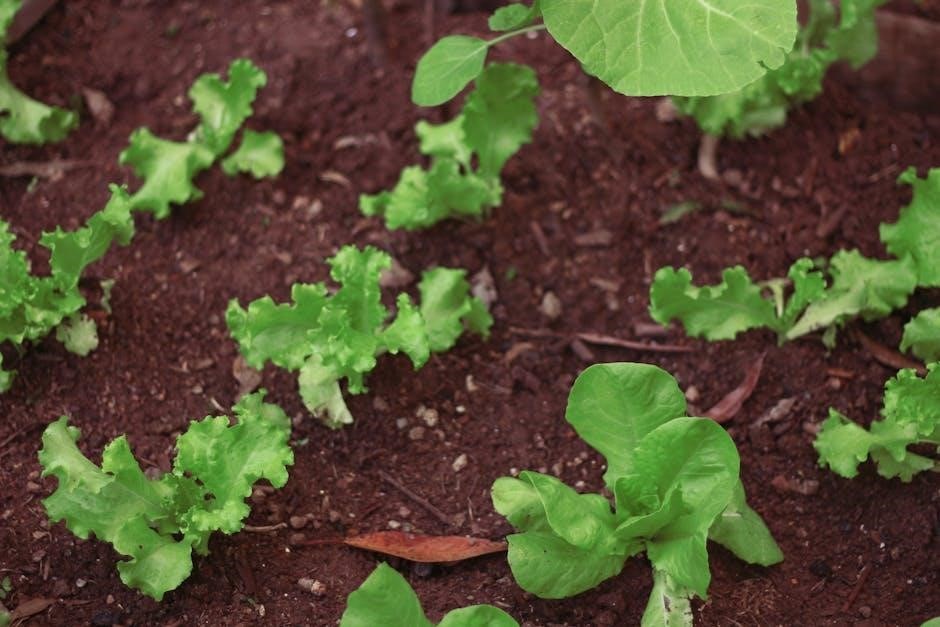
Utilize a PDF planting guide as a base, but observe your garden’s specific conditions. Monitor soil temperature and adjust sowing/transplanting dates accordingly. Windbreaks can create sheltered microclimates. Understanding these nuances, and referencing a detailed Zone 10a vegetable planting schedule PDF, maximizes yields and extends the growing season.
Extending the Growing Season: Row Covers & Cold Frames
Maximize your harvests in Zone 10a by utilizing season extension techniques! Row covers protect seedlings from pests and provide a few extra degrees of warmth, referenced in many vegetable planting schedule PDF guides. Cold frames offer even greater protection, allowing for earlier starts and later harvests of cool-season crops.
Consult a detailed Zone 10a vegetable planting schedule PDF to determine optimal timing for using these tools. They can shift planting dates by weeks, enabling multiple harvests. Properly implemented, these methods significantly extend the productive period, ensuring fresh vegetables throughout the year.